Toxic Tech: The Silent Epidemic of Cell Phone Addiction

In today’s fast-paced digital world, smartphones have become an integral part of our daily lives. They connect us to loved ones, provide instant access to information, and serve as a source of entertainment. However, this convenience comes at a cost. Cell phone addiction is a growing yet often overlooked crisis, affecting millions of people worldwide. While it may not be as visibly destructive as substance abuse, the consequences of excessive smartphone use are profound, impacting mental health, relationships, and physical well-being.

The Unseen Grip of Smartphone Addiction

Unlike traditional addictions, cell phone dependency is socially accepted, making it harder to recognize the problem. Many people check their phones first thing in the morning, mindlessly scroll through social media during meals, and even struggle to put them down before bed. The fear of missing out (FOMO) and the constant influx of notifications keep users trapped in a never-ending cycle of digital engagement.

Tech companies deliberately design apps and platforms to be addictive. Features like infinite scrolling, autoplay videos, and algorithm-driven content keep users engaged longer than they intend. The more time people spend on their devices, the more data companies collect and monetize—creating a business model that thrives on addiction.

Mental Health Consequences

One of the most alarming effects of cell phone addiction is its impact on mental health. Excessive screen time has been linked to:

  • Increased Anxiety and Depression: Social media often portrays unrealistic lifestyles, leading to negative self-comparisons and feelings of inadequacy. Constant exposure to negative news and online conflicts further contributes to stress and anxiety.
  • Decreased Attention Span: The habit of rapidly switching between apps and notifications conditions the brain for distraction, making it harder to focus on tasks that require deep concentration.
  • Emotional Exhaustion: The constant need to stay connected drains mental energy, leading to digital fatigue and burnout.

Physical Health Hazards

Smartphone addiction doesn’t just affect the mind—it also takes a toll on the body. Some common physical consequences include:

  • Text Neck and Poor Posture: Looking down at a phone for long periods can cause neck strain, back pain, and spinal misalignment.
  • Eye Strain and Sleep Disruptions: Prolonged exposure to screens, especially at night, can cause digital eye strain and interfere with sleep by suppressing melatonin production.
  • Sedentary Lifestyle: Excessive phone use reduces physical activity, increasing the risk of obesity, heart disease, and other health issues.

The Social Disconnect

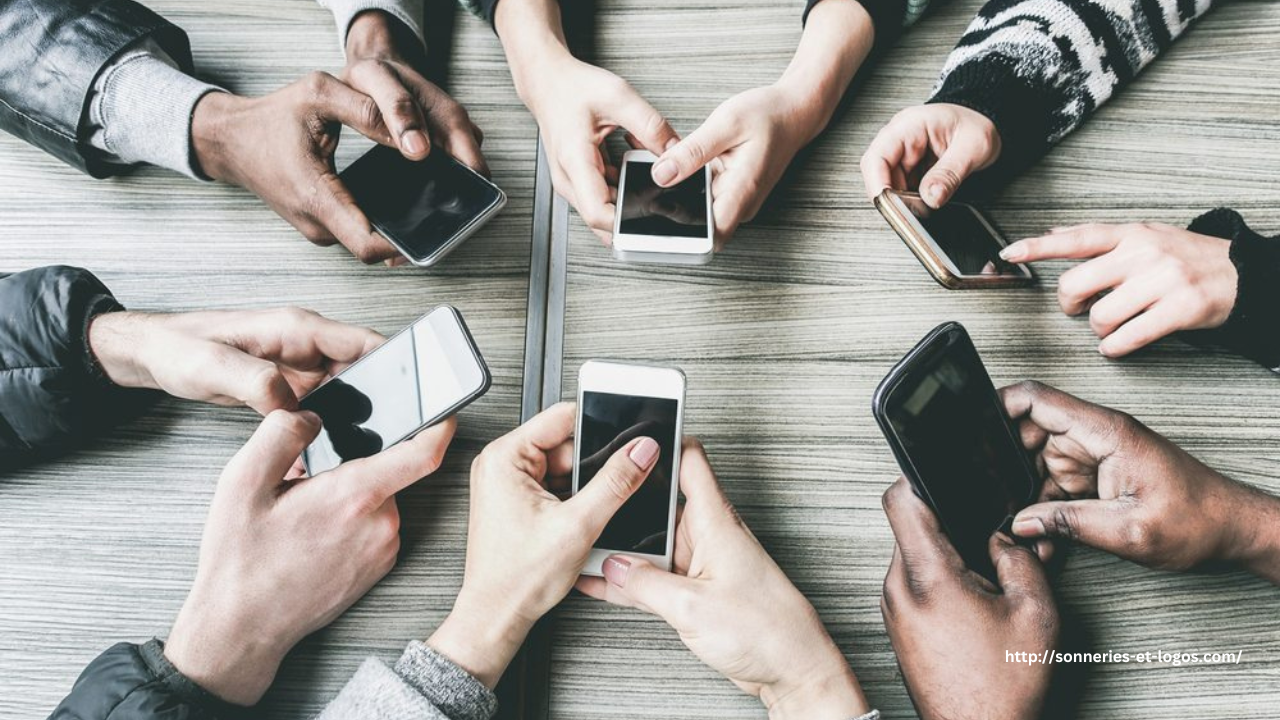
Ironically, while smartphones are meant to keep us connected, they often lead to real-world disconnection. “Phubbing” (phone snubbing) has become a common phenomenon, where people ignore those around them in favor of their screens. Over time, this can weaken relationships, reduce meaningful interactions, and create emotional distance among family members, friends, and romantic partners.

Breaking Free from Toxic Tech

Escaping cell phone addiction requires mindful effort. Here are some strategies to regain control:

  • Set Screen Time Limits: Use apps to monitor and reduce phone usage.
  • Turn Off Unnecessary Notifications: Reducing digital distractions can minimize the urge to check your phone constantly.
  • Create Phone-Free Zones: Keep phones away from the bedroom, dining table, and social gatherings.
  • Engage in Offline Activities: Reading, exercising, and spending time outdoors can help break the cycle of dependency.

Conclusion

Cell phone addiction is a silent epidemic that continues to grow, affecting mental health, physical well-being, and personal relationships. While technology is a valuable tool, it is essential to use it mindfully and set boundaries to prevent it from taking over our lives. By recognizing the dangers of excessive smartphone use and making conscious efforts to unplug, we can reclaim our time, focus, and overall well-being.

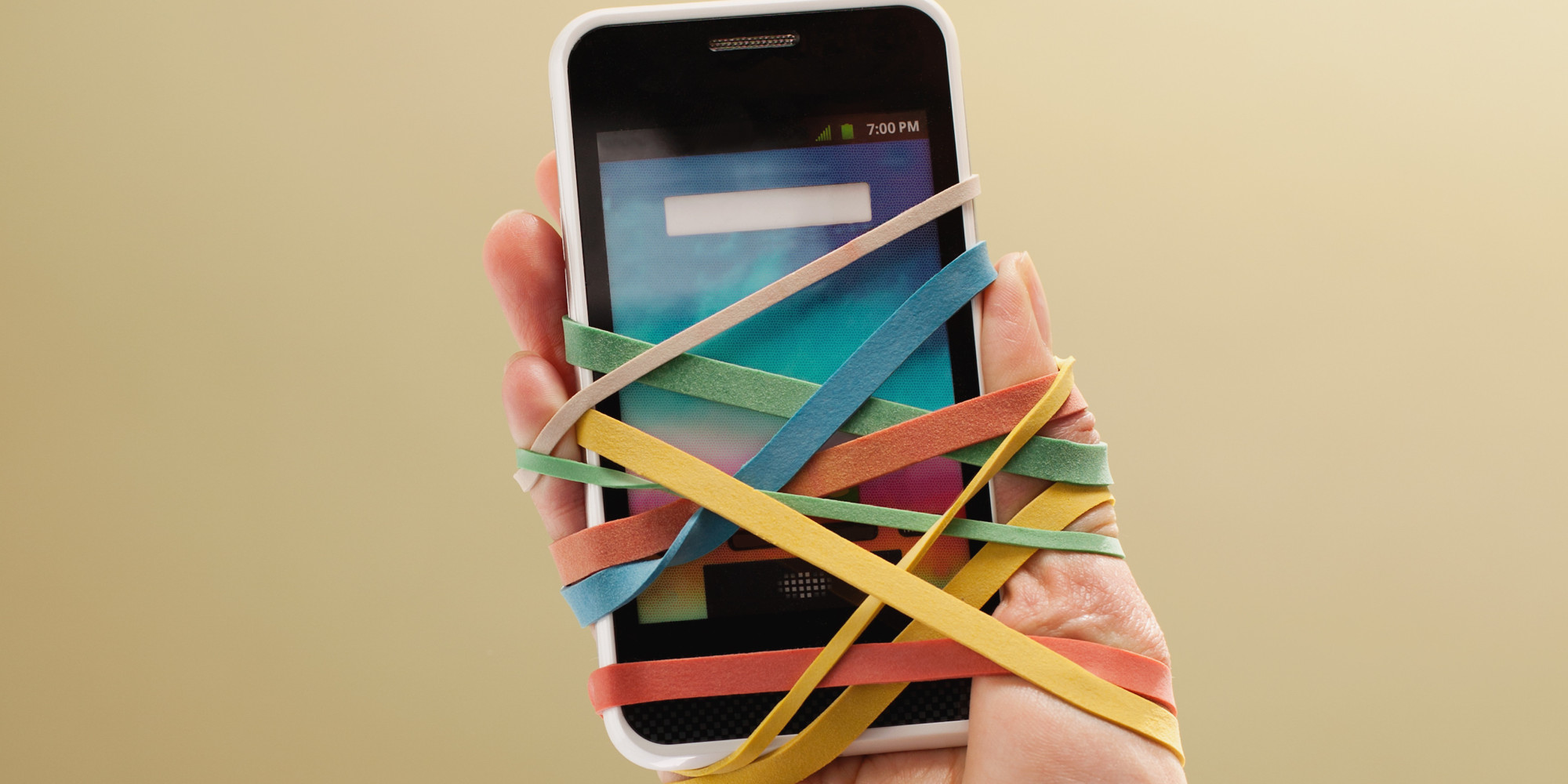
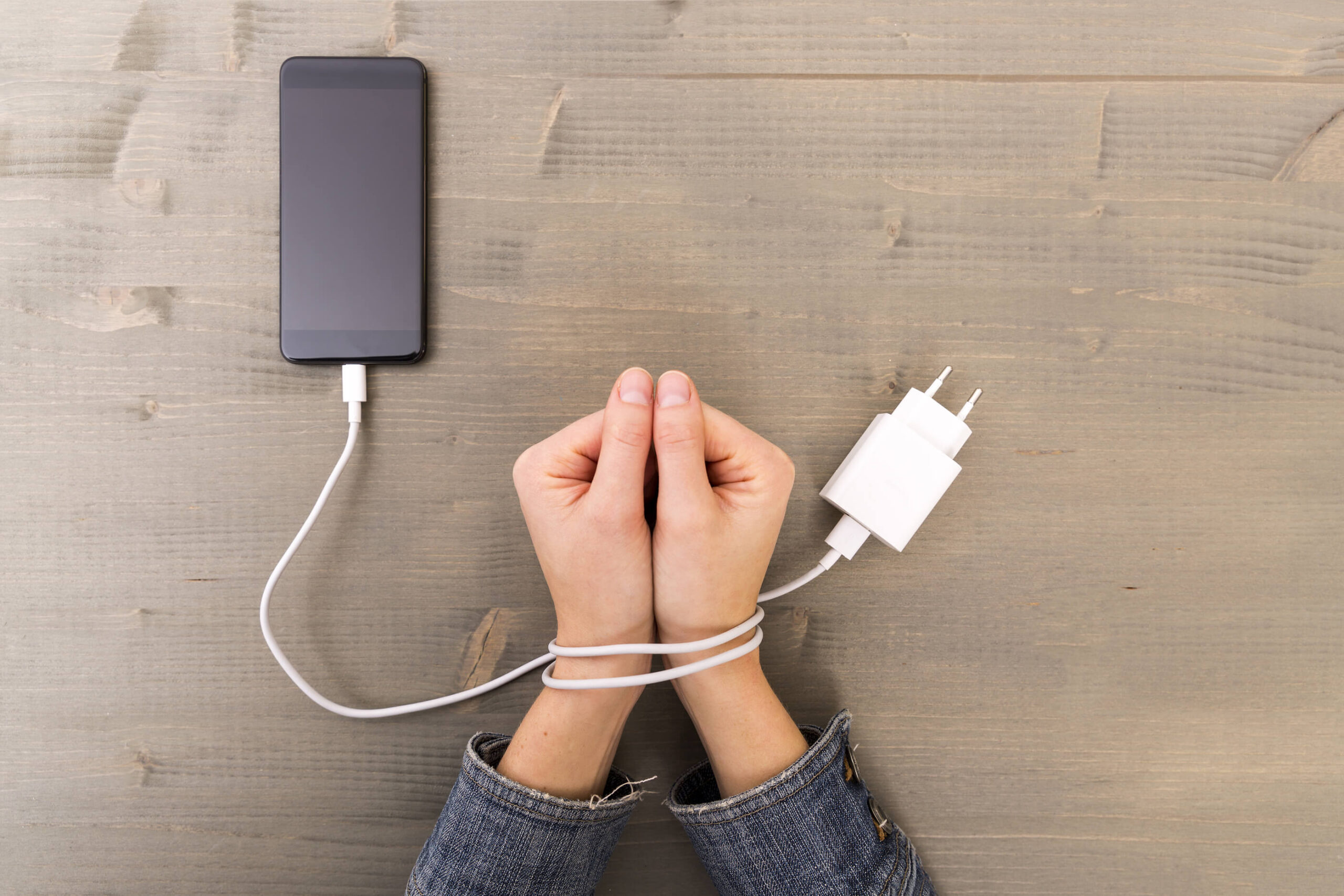
Digital Chains: How Smartphone Dependency is Harming Our Minds and Bodies

In the modern age, smartphones have become an extension of ourselves. They serve as our alarm clocks, calendars, entertainment hubs, and social connectors. While these devices offer undeniable convenience, an increasing number of people are falling into the trap of smartphone dependency. This addiction, often underestimated, is silently wreaking havoc on our mental and physical health.

The Hidden Grip of Smartphone Addiction

Smartphone addiction is driven by the brain’s reward system. Every notification, message, or social media update triggers the release of dopamine, the same chemical linked to pleasure and addiction in drugs and gambling. This constant reinforcement makes it difficult to put the phone down, leading to compulsive usage.

Tech companies have designed apps to keep users engaged for as long as possible. Features like infinite scrolling, autoplay videos, and personalized content recommendations create a loop that is hard to break. Before we realize it, minutes turn into hours, and the cycle continues day after day.

The Mental Toll of Excessive Screen Time

One of the most alarming consequences of smartphone dependency is its impact on mental health. Studies have shown that excessive phone use contributes to:

  • Increased Anxiety and Depression: Social media creates unrealistic comparisons, making people feel inadequate or left out. Constant connectivity can also lead to information overload, increasing stress and anxiety.
  • Reduced Attention Span: The habit of frequently checking notifications rewires the brain for distraction, making it harder to focus on tasks that require deep concentration.
  • Digital Fatigue: Endless scrolling and engagement with multiple apps can leave individuals feeling mentally drained, decreasing motivation for real-world activities.

Physical Health Consequences

Smartphone dependency does not just affect the mind—it also takes a toll on the body. Some of the major health risks include:

  • “Text Neck” and Poor Posture: Constantly looking down at a phone can lead to neck and back strain, causing long-term spinal issues.
  • Eye Strain and Headaches: Staring at screens for extended periods can cause digital eye strain, leading to headaches, dry eyes, and blurred vision.
  • Sleep Disruptions: The blue light emitted by screens interferes with melatonin production, making it harder to fall asleep. Poor sleep quality contributes to fatigue, mood swings, and reduced cognitive function.

The Social and Emotional Disconnect

Ironically, while smartphones are designed to keep us connected, they often lead to real-world disconnection. A common issue is “phubbing” (phone snubbing), where individuals ignore those around them in favor of their screens. Over time, this can weaken relationships, creating emotional distance between family, friends, and partners.

Furthermore, excessive screen time reduces the time spent on meaningful offline activities such as exercise, hobbies, or face-to-face conversations. This leads to an unbalanced lifestyle, contributing to feelings of loneliness and dissatisfaction.

Breaking Free from the Digital Chains

Overcoming smartphone dependency requires conscious effort. Some effective strategies include:

  • Setting Screen Time Limits: Use built-in tools to monitor and restrict daily usage.
  • Turning Off Non-Essential Notifications: Reducing distractions can help minimize the urge to check the phone constantly.
  • Creating Phone-Free Zones: Keep smartphones away from the bedroom, dinner table, and social gatherings.
  • Engaging in Offline Activities: Reading, exercising, and spending time outdoors can help break the cycle of digital dependence.

Conclusion

While smartphones are valuable tools, excessive use can have serious consequences on mental, physical, and social well-being. By recognizing the dangers of smartphone dependency and taking proactive steps to limit screen time, we can reclaim our health, relationships, and quality of life. The key is balance—using technology wisely without letting it control us.

Hooked on Screens: The Hidden Dangers of Cell Phone Addiction

In today’s digital world, smartphones have become an essential part of daily life. They help us stay connected, navigate our cities, and entertain ourselves with endless content. However, as the convenience of these devices grows, so does our dependency on them. Cell phone addiction has quietly become a widespread issue, affecting millions of people worldwide. While often dismissed as a minor inconvenience, excessive smartphone use can have serious consequences for mental health, relationships, and overall well-being.

The Science Behind Cell Phone Addiction

At the heart of cell phone addiction is the brain’s reward system. Every time we receive a notification, a like on social media, or a new message, our brain releases dopamine, the “feel-good” chemical. This creates a cycle of reward-seeking behavior, making us crave more screen time. Over time, this can lead to compulsive phone use, much like substance addiction.

Tech companies understand this dynamic well and design apps to maximize engagement. Features like infinite scrolling, autoplay videos, and push notifications keep users glued to their screens, often without realizing how much time they are spending on their devices.

The Mental Health Toll

One of the most concerning effects of cell phone addiction is its impact on mental health. Studies have linked excessive phone use to increased rates of anxiety, depression, and stress. Social media, in particular, can contribute to feelings of inadequacy, loneliness, and low self-esteem, as people constantly compare their lives to curated, often unrealistic, online portrayals.

Additionally, the constant influx of information can overwhelm the brain, leading to digital fatigue. This can make it difficult for individuals to focus, process emotions, or find motivation for offline activities.

Physical Health Consequences

Beyond mental health, excessive screen time can take a toll on physical well-being. One major issue is “text neck,” a condition caused by constantly looking down at a phone, leading to poor posture, neck pain, and spinal problems. Similarly, eye strain and headaches have become common complaints due to prolonged screen exposure.

Another alarming issue is the effect of phone addiction on sleep. Many people use their phones late into the night, exposing themselves to blue light, which interferes with melatonin production and disrupts the body’s natural sleep cycle. Poor sleep, in turn, contributes to fatigue, irritability, and decreased cognitive function.

The Social Impact

Cell phone addiction can also damage personal relationships. In social settings, people are often more engaged with their screens than with those around them. This phenomenon, known as “phubbing” (phone snubbing), can weaken relationships by making others feel ignored or unimportant. Over time, excessive phone use can lead to communication breakdowns and emotional distance between family members, friends, and romantic partners.

Breaking Free from the Screen

While cell phone addiction is a serious issue, it is possible to regain control. Setting screen time limits, turning off non-essential notifications, and designating phone-free zones—such as the bedroom or dining table—can help reduce dependency. Engaging in offline activities like reading, exercise, or face-to-face conversations can also help break the cycle of compulsive phone use.

In a world where screens are unavoidable, finding a healthy balance is key. By recognizing the dangers of cell phone addiction and making conscious efforts to disconnect, we can reclaim our time, health, and relationships.

Breaking the Digital Chains: Addressing the Widespread Problem of Smartphone Addiction

Smartphones have revolutionized modern life, offering convenience, connectivity, and a gateway to boundless information. Yet, their widespread use has given rise to a growing issue: smartphone addiction. This dependency impacts mental health, disrupts relationships, and diminishes productivity. Breaking free from the grip of smartphone addiction is essential for achieving a healthier, more balanced relationship with technology.

Understanding Smartphone Addiction

Smartphone addiction, often referred to as “nomophobia” (fear of being without a mobile phone), is a behavioral dependency characterized by excessive and compulsive phone use. Features like social media, gaming apps, and endless scrolling are intentionally designed to capture attention and keep users engaged. Notifications, likes, and shares activate the brain’s reward system, releasing dopamine and reinforcing the habit. Over time, this cycle fosters dependence, making it increasingly difficult for users to disconnect.

The prevalence of smartphone addiction is startling. Studies suggest that the average person spends 3–4 hours daily on their phone, with many exceeding this figure. For younger generations, the numbers are even higher, as smartphones dominate both their social and academic lives.

The Impact of Smartphone Addiction

Mental Health Consequences

Excessive phone use is closely linked to mental health issues such as anxiety, depression, and low self-esteem. Social media platforms often perpetuate feelings of inadequacy, as users compare their lives to the curated, idealized images they see online. This “highlight reel effect” can erode self-confidence and exacerbate feelings of loneliness.

Additionally, the constant stimulation from smartphones contributes to stress and cognitive overload. Notifications, messages, and updates disrupt focus and make it difficult to concentrate, leading to mental fatigue.

Relationship Strain

Smartphone addiction also takes a toll on relationships. The phenomenon of “phubbing” (ignoring someone in favor of a phone) is a common source of tension among friends, family, and romantic partners. When people prioritize their devices over face-to-face interactions, it can create feelings of neglect and disconnect.

Productivity Decline

Smartphones are a significant source of distraction in the workplace and educational settings. The allure of quick social media checks or browsing sessions interrupts workflow and reduces efficiency. Studies show that frequent multitasking involving smartphones diminishes cognitive performance and impairs the ability to focus on demanding tasks.

Strategies to Address Smartphone Addiction

Breaking the chains of smartphone addiction requires conscious effort and a commitment to change. Here are some practical steps to regain control:

  1. Set Boundaries: Establish designated phone-free times, such as during meals, family gatherings, or before bedtime. Creating these boundaries encourages meaningful interactions and promotes healthier habits.
  2. Use Monitoring Tools: Many smartphones offer built-in features to track screen time. Apps like Screen Time (iOS) or Digital Wellbeing (Android) can help users identify patterns and set limits on app usage.
  3. Digital Detoxes: Periodic breaks from technology allow users to reset their relationship with their devices. Whether for a day or a week, unplugging helps cultivate mindfulness and reduces dependency.
  4. Replace Screen Time with Offline Activities: Engaging in hobbies, exercise, or outdoor activities can provide fulfilling alternatives to excessive phone use.
  5. Seek Support: Joining support groups or engaging with mental health professionals can provide guidance and accountability for those struggling to break free.

Conclusion

Smartphone addiction is a widespread problem with significant implications for mental health, relationships, and productivity. However, it is possible to break the digital chains by adopting intentional practices and setting boundaries. By recognizing the impact of excessive phone use and taking proactive steps to address it, we can foster healthier connections—with technology, ourselves, and the people around us.

Screen Slavery: The Toxic Effects of Cell Phone Dependency on Mental Health

In a world where technology drives nearly every aspect of life, smartphones have become indispensable tools. They connect us to loved ones, provide access to limitless information, and entertain us during idle moments. However, this convenience comes with a hidden cost. Over time, our reliance on cell phones has morphed into a form of dependency that is deeply affecting mental health. The phenomenon of “screen slavery” has emerged, describing the toxic grip smartphones have on our emotional well-being and cognitive functioning.

The Allure of Constant Connectivity

Smartphones are engineered to be addictive. Features like endless scrolling, notifications, and gamified rewards on social media are designed to capture and hold our attention. As users engage with these devices, the brain releases dopamine—a feel-good neurotransmitter associated with pleasure and reward. Over time, the brain begins to crave this stimulation, leading to compulsive phone use.

The average person spends over three hours a day on their smartphone, often without realizing the cumulative toll. While brief interactions might seem harmless, they add up, fostering an unhealthy dependence that interferes with daily life. This dependency is more than a habit; it is a behavioral addiction with significant consequences.

Mental Health Consequences

Anxiety and Stress

The relentless demands of constant connectivity contribute to heightened anxiety. The fear of missing out (FOMO), driven by social media, compels users to remain plugged in, checking notifications, messages, and updates compulsively. This behavior creates a feedback loop, where the anxiety of missing out is only quelled by more screen time, perpetuating the problem.

Moreover, the flood of information accessible via smartphones often leads to information overload. Constant exposure to bad news, sensational headlines, or even trivial updates can increase stress levels, making it harder to maintain a balanced emotional state.

Depression and Loneliness

Paradoxically, devices meant to connect us often leave users feeling isolated. Social media platforms, while offering a window into others’ lives, often promote unrealistic portrayals of perfection. As users compare their reality to these curated images, feelings of inadequacy and low self-esteem can take root. Studies have linked excessive smartphone use to higher rates of depression and loneliness, particularly among young people.

Sleep Disruption

Smartphones are also major culprits in disrupting sleep patterns. The blue light emitted by screens interferes with the production of melatonin, the hormone responsible for regulating sleep. Furthermore, many people struggle to detach from their phones before bed, engaging in late-night scrolling that delays sleep onset. Poor sleep, in turn, exacerbates mental health issues like anxiety and depression, creating a vicious cycle.

Breaking Free from Screen Slavery

Overcoming phone dependency requires intentional effort. Setting boundaries, such as designated screen-free times or places, can help create healthier habits. Digital detoxes—periods of complete disconnection from devices—allow users to reset their relationship with technology. Apps that monitor screen time can also provide valuable insights into usage patterns and encourage mindful consumption.

Incorporating offline activities, like exercise, reading, or spending time with loved ones, can replace excessive screen time with fulfilling alternatives. Practicing mindfulness and being present in the moment are also powerful tools for mitigating the mental health effects of smartphone addiction.

Conclusion

The toxic effects of cell phone dependency on mental health are undeniable. While smartphones have transformed the way we live, unchecked use can lead to anxiety, depression, and disrupted sleep. Recognizing the signs of screen slavery is the first step toward reclaiming balance in our lives. By adopting healthier habits and fostering intentional use, we can free ourselves from the grip of our screens and prioritize mental well-being.

The Hidden Epidemic: How Cell Phone Addiction is Disrupting Our Lives

In today’s hyperconnected world, cell phones have become indispensable tools for communication, work, and entertainment. However, the convenience of constant connectivity comes at a significant cost. What was once a useful device has evolved into a potential source of addiction, with profound effects on our mental health, social relationships, and productivity. This growing reliance on smartphones has led to a hidden epidemic—one that is quietly disrupting lives across the globe.

The Rise of Smartphone Dependency

Smartphones are designed to capture attention. With notifications, social media, and endless streams of information, they keep users engaged. Over time, many people develop an unconscious need to constantly check their devices, leading to a form of addiction often referred to as “nomophobia”—the fear of being without a mobile phone. Studies have shown that people check their phones an average of 58 times a day, and for some, this number is significantly higher.

This constant use leads to a reinforcement loop, where the brain becomes accustomed to the dopamine release triggered by receiving notifications or scrolling through social media feeds. The allure of likes, shares, and comments keeps users coming back, fostering a cycle of dependency. This behavioral addiction affects not just teenagers or young adults but spans all age groups, with many professionals and even older adults falling victim to the lure of their devices.

Impacts on Mental Health

The psychological toll of cell phone addiction is alarming. Excessive smartphone use has been linked to increased levels of anxiety, depression, and loneliness. Social media platforms, in particular, can create feelings of inadequacy and low self-esteem, as users constantly compare themselves to the curated lives of others. This can lead to what psychologists call “social media fatigue,” where the emotional strain of constant connectivity leads to feelings of isolation.

Moreover, smartphones contribute to sleep disturbances. Blue light emitted by screens interferes with melatonin production, disrupting the body’s natural sleep cycle. Many people find it difficult to detach from their phones before bedtime, resulting in poorer sleep quality and exacerbating issues like insomnia and stress.

Disrupting Social Relationships

Cell phone addiction not only affects mental health but also damages real-world social interactions. It is now common to see people engrossed in their phones during meals, conversations, or social gatherings, leading to a phenomenon known as “phubbing” (phone snubbing). This habit of ignoring people in favor of a smartphone can erode relationships, as it conveys a lack of attention and respect for the person being “phubbed.”

In romantic relationships, excessive phone use can become a source of conflict. Partners may feel neglected or unimportant when their significant other is more focused on their phone than on spending quality time together. Over time, this can lead to emotional distance and weaken the bond between couples.

Productivity and Cognitive Decline

The effects of cell phone addiction extend to the workplace as well. Constant distractions from smartphone notifications reduce focus and concentration, leading to decreased productivity. Multitasking between work and checking a phone prevents deep work— the ability to concentrate without distraction on cognitively demanding tasks. This “always-on” mentality has long-term consequences, as research suggests that heavy smartphone users may experience cognitive decline, including poorer memory retention and decision-making abilities.

Conclusion

The hidden epidemic of cell phone addiction is a complex and pervasive issue, affecting mental health, relationships, and productivity. While smartphones are essential in modern society, their misuse poses serious risks. Breaking free from this cycle of dependency requires conscious effort, including setting boundaries for phone use, practicing digital detoxes, and cultivating healthier habits. Recognizing the problem is the first step toward regaining control over our lives and fostering healthier relationships with technology.

How Cell Phone Addiction Is Rewiring Our Brain

In today’s fast-paced digital world, the omnipresence of cell phones has become an inescapable reality. From the moment we wake up to the second we fall asleep, our phones are often the first and last things we touch. This constant connectivity, while convenient, has given rise to a new form of dependency: cell phone addiction. More than just a behavioral issue, this addiction is fundamentally altering the structure and function of our brains, creating a digital trap that is difficult to escape.

The Allure of Instant Gratification

Cell phones provide an endless stream of information, entertainment, and social interaction at our fingertips. Each notification, message, or like triggers a release of dopamine, the brain’s “feel-good” neurotransmitter. This dopamine release creates a cycle of reward that keeps us coming back for more, similar to the effects seen in substance addiction. The more we use our phones, the more our brains associate them with pleasure, leading to increased use and, eventually, dependency.

Rewiring the Brain’s Reward System

The brain’s reward system, which is designed to encourage behaviors essential for survival, such as eating and socializing, is particularly susceptible to the effects of dopamine. With cell phone use, the frequent dopamine hits can cause the brain to recalibrate its expectations, making everyday activities seem less rewarding in comparison. This shift can lead to decreased motivation, reduced attention span, and a diminished ability to experience pleasure from non-digital activities, a phenomenon known as anhedonia.

Over time, the brain adapts to the constant stimulation from cell phones by altering its neural pathways. This neuroplasticity, while beneficial in many contexts, can have negative consequences when driven by addictive behaviors. The prefrontal cortex, responsible for decision-making, impulse control, and focus, is particularly affected. As this area of the brain becomes overwhelmed by the demands of constant digital interaction, its ability to regulate our behavior diminishes, making it harder to resist the urge to check our phones.

Impact on Mental Health

The rewiring of the brain’s reward system has profound implications for mental health. Studies have shown a correlation between excessive cell phone use and increased levels of anxiety, depression, and stress. The constant need to be connected and the fear of missing out (FOMO) can lead to feelings of inadequacy and social comparison, further exacerbating mental health issues. Moreover, the lack of face-to-face interactions, replaced by superficial online communication, can contribute to feelings of loneliness and isolation.

Breaking Free from the Digital Trap

Recognizing the signs of cell phone addiction is the first step toward breaking free from the digital trap. Setting boundaries, such as designated phone-free times and spaces, can help reduce dependency. Engaging in activities that do not involve screens, such as reading, exercising, or spending time in nature, can also help rewire the brain’s reward system to find pleasure in non-digital experiences.

Mindfulness practices, such as meditation, can improve awareness of one’s phone usage and help develop healthier habits. Additionally, seeking support from friends, family, or professionals can be crucial in overcoming the challenges of cell phone addiction.

Conclusion

Cell phone addiction is more than just a bad habit; it is a complex issue with far-reaching effects on the brain and overall well-being. As our lives become increasingly intertwined with technology, it is essential to remain vigilant about our phone usage and take proactive steps to maintain a healthy balance. By understanding how cell phone addiction is rewiring our brains, we can better navigate the digital trap and reclaim control over our lives.

The Impact of the Modern Age of Technology

Technology is ever-changing and ever evolving, and it has had a profound impact on the modern age of society. The innovative minds of scientists and engineers have created a plethora of modern-day tools that make life more efficient, comfortable, and enjoyable than it has ever been before. From smartphones that can run entire functioning offices, to satellite technology that lets us explore space, to artificial intelligence that can solve complex problems, the advances of technology have had a deep and far-reaching impact on today’s world.

Most people around the globe recognize the presence of technology in their everyday lives. We instill our trust in the internet and our smartphones, as these devices are commonplace now. People throughout the world have access to technology like never before, offering a wealth of opportunities to advance in every single aspect of life. Problem-solving skills are honed, understanding of complex concepts is simplified, and work is done faster and more efficiently than was imaginable in the days of analogue systems.

The impacts of technology on the modern age extend far beyond simply the efficiency of processes and the speed of communication. It has changed the way people interact, communicate, and learn—both positively and negatively. On the positive side, technology allows people to be connected and to easily access the world’s knowledge and resources. Through the internet, people can access essential services, contact experts or family members, and stay informed with current news and events. Social media and networking platforms allow people to share ideas and build relationships, resulting in the formation of friendships, romances, and professional collaborations across the globe.

On the negative side, technology has brought forth a range of issues such as data privacy, internet addiction, and security threats. Data breaches and scams have allowed for unaccountable access to personal information and completed transactions, with public trust in technology taking a hit. Furthermore, many people have begun to depend heavily on technology, leading to issues like internet addiction and other mental health issues.

Overall, the modern age of technology has been a revolution. It has simplified processes, shaped cultures and habits, and altered the education system. Technology has allowed inventions that were unimaginable in the past—like self-driving cars and 3D printing—to become part of our daily lives. Technological advances have made the world more connected, efficient, and intelligent than ever before. From this long-term perspective, it is clear that technology has had an immense and lasting impact on the modern age.

The Ubiquity of Cell Phones

In 2020, it is hard to imagine a world without mobile phones, and it’s even more difficult to remember what life was like before them. Over the past two decades, cell phones have come to dominate most peoples’ lives, and their ubiquity has changed the way people communicate and interact with one another.

Cell phones have become essential tools in modern life. From sending messages to accessing the internet, a smartphone is often an indispensable part of any daily routine. With its widespread use, the cell phone has had wide ranging implications on both individuals and society, from small day-to-day interactions to large social phenomena.

At an individual level, cell phones are a source of constant connection, allowing users to quickly and easily reach out to other people. Whether it’s a text message, phone call, email, or video chat, users can quickly stay in touch, regardless of location or time zone.

At the same time, cell phones have changed the way people interact with each other. In-person conversations are often replaced with text messages or short conversations on the phone. Social changes created by cell phones include increased privacy, as people can communicate without having to physically be together, and an overall decrease in face-to-face contact.

On a larger scale, the ubiquity of cell phones has had a dramatic effect on social movements. Smartphones enable individuals to easily broadcast information, share images, and spread awareness quickly and to a wide audience. This has been particularly important in increasing activism and protest, such as the movements to support Black Lives Matter and other causes.

Cell phones have also had far-reaching implications for business and economies. The prevalence of cell phones has allowed for a rapid increase in e-commerce and the proliferation of online businesses. From buying products online to GPS applications to ride-sharing services, cell phones have transformed the way people do business and interact with the markets.

In the end, the ubiquity of cell phones has completely changed the way people live and interact. From providing a constant connection to enabling large-scale social movements, cell phones have become essential components of modern society. Despite the potential drawbacks that come with the increased use of technology, cell phones have had an overwhelmingly positive impact, allowing information to travel faster and further than ever before.

Toxicity of Cellphone Addiction

Cellphone addiction is taking a toll on the mental wellbeing of millions of people. Smartphones have become such an integral part of our daily lives that we can easily forget how detrimental they can be when used excessively. The psychological effects of cellphone addiction can be just as serious as drug addiction, albeit in a different way.

The reason why cellphone addiction can become so harmful is that it can be an escape from real-life issues. After all, when you’re playing a game, scrolling social media, or replying to messages, you’re not engaging with the world around you. Unfortunately, although these activities may feel like a comforting break from reality, they actually serve to distance the cell phone user from facing their issues head-on.

One of the clearest effects of cellphone addiction is a decrease in focus and attention. Especially in young people, using a phone too often can lead to an extreme drop in focus. The blue light that emanates from smartphones keeps our minds perpetually switched on, leading to exhaustion and disinterest in tasks that require concentration. Not surprisingly, this decrease in concentration can also have detrimental effects on academic performance.

The use of cellphones can also lead to issues in relationships, both face-to-face and online. We can become so engrossed in our phones that we forget to listen to the person speaking to us or even give them eye contact. In extreme cases, a cell phone can become such a distraction that it can interfere with intimate relationships. Moreover, cyberbullying has become a major issue amongst teens due to the ease of direct messaging on platforms like Instagram and Facebook.

Finally, the issue of cellphone addiction is not limited to teenagers and adults. Even children are being chronically exposed to screens and need to be monitored to ensure their healthy development. The CDC recommends no more than one hour of screen time for young children every day. Any longer than that and a child’s exposure to screens can have long-term effects, such as inability to delay gratification, difficulty with empathy, and decreased physical activity.

In conclusion, cellphone addiction is becoming an increasingly grave problem. With frequent use comes decreased focus, a decrease in connection to the physical world, and increased potential for cyberbullying. Children, especially, need to be monitored carefully to ensure they’re not overusing their mobile devices as to not miss out on the much-needed development and connection of the physical world.