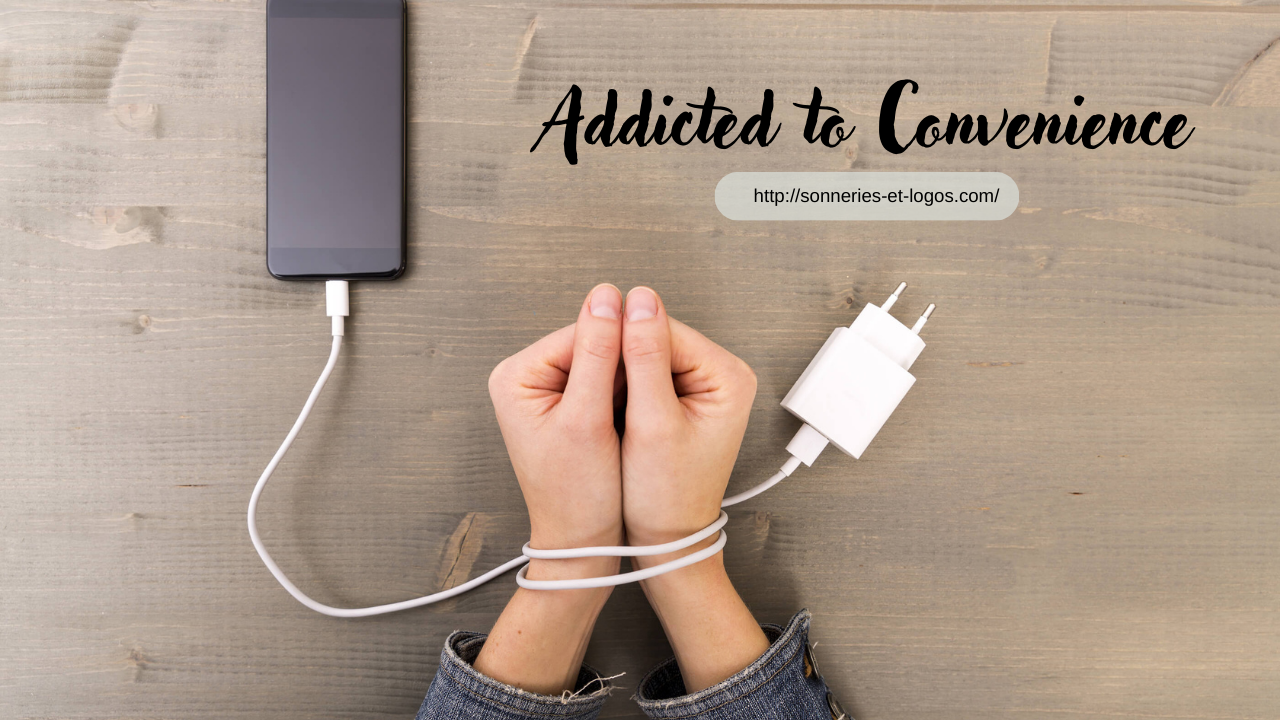
Addicted to Convenience: How Smartphones Are Rewiring Our Brains and Bodies

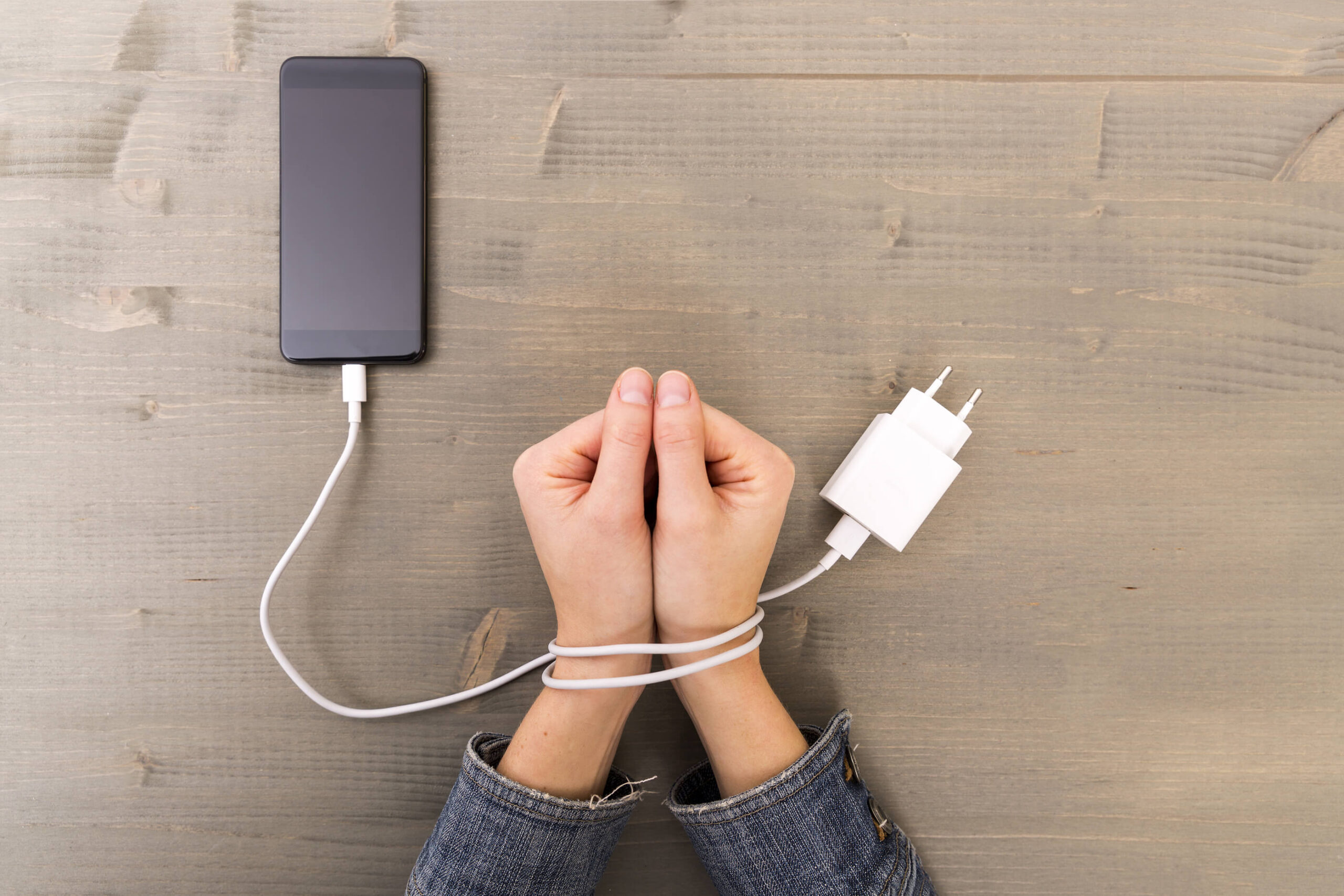
In today’s fast-paced world, smartphones have become more than just tools. They have become constant companions, delivering instant answers, social connections, and entertainment. While this convenience is undeniable, the long-term impact on our brains and bodies is far more complex than most people realize. At Sonneries-et-Logos.com, we recognize that digital dependency is a real and growing challenge. Through our addiction recovery services, mental health treatment, and holistic care, we help individuals reclaim control and restore balance.

The Subtle Shift from Tool to Dependency

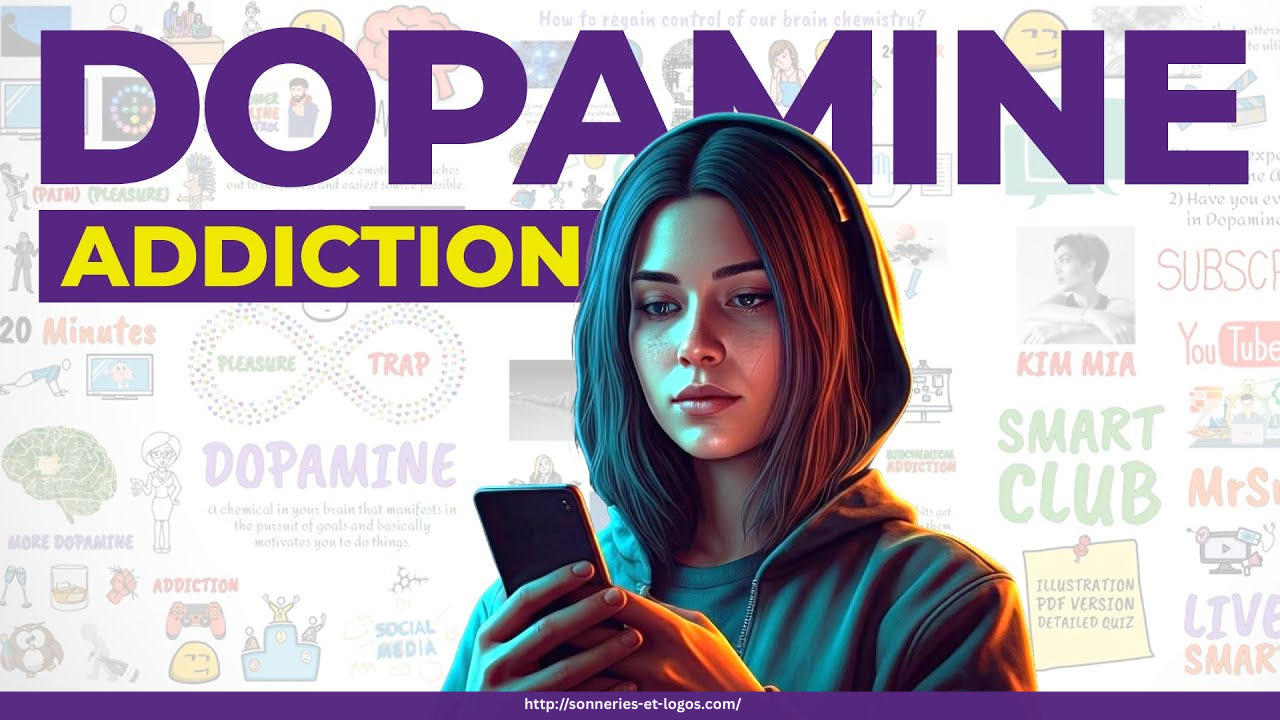
Smartphones are designed to be addictive. Every notification, message, or news update activates the brain’s reward system, releasing dopamine that reinforces the habit of checking our devices. Over time, these patterns rewire neural pathways, making it harder to focus, be present, and manage emotions without digital stimulation.

For some, this dependency becomes more than just a bad habit. It can evolve into a behavioral addiction, affecting relationships, productivity, and mental well-being.

How Smartphone Overuse Affects the Mind

Disrupted Attention and Focus

Constant switching between apps and tasks trains the brain to expect short bursts of information. This can lead to attention deficits, increased restlessness, and a reduced ability to engage in deep, meaningful thought.

Emotional Strain and Anxiety

When life revolves around staying connected, the pressure to respond quickly and stay updated can create chronic anxiety. Social media comparisons can further fuel feelings of inadequacy, isolation, or depression.

The Physical Toll of Digital Dependency

Posture and Musculoskeletal Strain

Spending hours looking down at a screen can lead to neck and back pain, a condition often referred to as “text neck.” Over time, this can contribute to chronic pain and tension in the upper body.

Eye Strain and Sleep Disruption

Blue light from screens interferes with melatonin production, making it harder to fall and stay asleep. Poor sleep then impacts mood, focus, and physical health, creating a cycle that is difficult to break.

Healing Through Holistic and Faith-Based Care

At Sonneries-et-Logos.com, we understand that breaking free from digital dependency requires more than willpower. Our holistic approach treats the whole person—mind, body, and spirit.

Individualized Recovery Plans

We tailor treatment to each client’s needs, incorporating therapy, mindfulness practices, and spiritual guidance. For some, inpatient care offers a structured environment to reset habits, while outpatient programs provide support within daily life.

Building Healthy Boundaries

Clients learn practical strategies such as scheduled screen-free time, mindful technology use, and reconnecting with offline activities. These habits help restore mental clarity and physical vitality.

Supportive Community Healing

Recovery is not a journey you have to take alone. Our group programs and faith-based community create a safe space to share struggles, celebrate progress, and build lasting connections.

Taking the First Step Toward Balance

Convenience should enhance life, not control it. If smartphone use is interfering with your mental health, relationships, or physical well-being, it may be time to seek help. At Sonneries-et-Logos.com, we are here to guide you toward a healthier, more intentional relationship with technology.

Do not let digital dependency dictate your life. Contact us today to learn how our compassionate, holistic care can help you break free from the patterns that are holding you back.
Mind and Body on Autopilot: The Silent Damage of Smartphone Dependency

Smartphone dependency may feel normal in today’s world, but for many, it quietly drives both mind and body into a state of autopilot—and leads to hidden harms that often go unrecognized. At Sonneries‑et‑Logos.com we address the invisible yet real impact of digital addiction. With our addiction recovery services and mental health treatment, we provide compassionate, individualized care in both inpatient and outpatient settings. We understand how faith‑based, holistic approaches help restore balance to life.

Why Smartphone Dependency Becomes Addiction

Smartphones offer instant gratification through notifications, social media, and endless content. This taps into the brain’s dopamine system, creating a compulsive reward loop. Without realizing it, many people develop a dependency, turning to their phones for emotional comfort, distraction, or to fill moments of emptiness.

The Silent Mental Health Costs

Even moderate smartphone overuse may lead to anxiety, depression, and emotional exhaustion. People often feel a constant pressure to respond, to stay available, to maintain an online image. Those feelings can undermine mental resilience and fuel a sense of inadequacy.

Many people describe worsening focus, restlessness, and helplessness when they try to slow down. For those who already struggle with trauma or co‑occurring mental health conditions, constant digital input interferes with healing and deep recovery.

Physical Strain You Don’t Always Notice

The physical toll of screen overuse can be subtle but persistent. Issues like poor posture or “text neck” due to prolonged looking down become chronic. Eye strain, headaches, sleep disruption from blue light—all these consequences accumulate, affecting physical well‑being long after screen time ends.

Left unchecked, these physical habits can deepen anxiety and fatigue, forming a self‑perpetuating cycle that diminishes motivation and limits recovery.

How Sonneries‑et‑Logos Supports Healing

Treating the Whole Person

We believe true recovery addresses mind, body, and spirit together. Our holistic, faith‑based treatment programs include therapy, spiritual support, and individualized care plans. Whether in inpatient or outpatient settings, our team partners with you to establish healthy boundaries around digital use and rebuild balanced routines.

Compassionate, Individualized Support

Every plan is tailored to your unique needs. That may include setting structured screen‑free time, incorporating meditation, prayer, or music therapy into recovery, and developing real‑world supports. Our clinicians help clients replace digital dependency with meaningful offline connection—through community, nature, journaling, or artistic expression.

Recovery in Community

Healing often happens in connection with others. Our care centers foster supportive peer engagement and group therapy. In those settings, people find encouragement to share struggles with addiction, mental health, and even smartphone dependence. Supported by staff and peers who understand recovery, clients rebuild trust in in‑person relationships.

Practical Strategies to Regain Control

  • Screen‑free routines: Designate times (for example, during meals, family time, before bed) when no devices are used.
  • Notification management: Disable non‑essential alerts so you choose when to engage rather than reacting automatically.
  • Mind‑body balance: Prioritize rest, exercise, hydration, and mindful breathing over passive screen time.
  • Alternate activities: Rediscover hobbies like reading, walking, creative arts, faith practice, or serving others in the community.

These small changes reconnect you with internal rhythms and reduce reliance on external digital stimulus.

Why Moving Beyond Autopilot Matters

When a smartphone becomes central to how you manage emotions, boredom, or stress, recovery becomes harder. The autopilot lifestyle disconnects you from what matters most: relationships, spiritual growth, inner peace, and self‑esteem.

By setting healthier limits, you reclaim intentional living. Real healing begins when you pause the autopilot and reconnect with the deeper rhythms of mind and body.

Conclusion: Reclaim Life from Digital Chains

Smartphone dependency may seem harmless, but its hidden toll on mental and physical health cannot be ignored. At Sonneries‑et‑Logos.com we offer professional, compassionate addiction recovery and mental health treatment that sees beyond symptoms to your whole person.

If your digital habits feel out of control, you are not alone—and help is available. Our faith‑based, holistic treatment approach offers balance, meaning, and healing. Reach out to us today. Together we can break the dependency and restore freedom, focus, and wholeness to your life.

Breaking the Digital Chains: The Hidden Costs of Smartphone Overuse

Smartphones have revolutionized how we communicate, work, and entertain ourselves. In just over a decade, they’ve become an inseparable part of daily life. From checking emails to scrolling through social media, navigating directions, or binge-watching videos, the convenience of smartphones is undeniable. However, this constant connectivity comes at a price. Beneath the surface of their benefits lies a set of hidden costs—affecting our minds, bodies, relationships, and overall quality of life.

The Mental Toll

One of the most significant consequences of smartphone overuse is its impact on mental health. While smartphones keep us connected, they often lead to information overload and emotional exhaustion. Continuous notifications, endless social media feeds, and the pressure to stay constantly available create a state of chronic stress. Many people report feeling anxious when they’re away from their phones, a phenomenon known as nomophobia—the fear of being without a mobile device.

Social media, in particular, contributes to mental health struggles. The constant comparison to others’ seemingly perfect lives can lead to feelings of inadequacy, low self-esteem, and even depression. Over time, the brain becomes conditioned to seek quick dopamine hits from likes, comments, and shares, reinforcing addictive behaviors and shortening attention spans.

Physical Health Consequences

Smartphone overuse doesn’t just affect the mind—it impacts the body as well. “Text neck” and poor posture are becoming common due to prolonged periods of looking down at screens. This can lead to chronic neck, back, and shoulder pain.

Another issue is digital eye strain, also known as computer vision syndrome. Symptoms include dry eyes, headaches, blurred vision, and fatigue, all resulting from staring at screens for extended periods. Additionally, the blue light emitted from smartphones interferes with melatonin production, disrupting sleep patterns and reducing the quality of rest. Sleep deprivation, in turn, contributes to mood swings, cognitive issues, and long-term health risks like heart disease.

Damaged Relationships and Social Isolation

Ironically, while smartphones are designed to connect people, they often lead to social disconnection. The habit of “phubbing”—ignoring people in real life to focus on your phone—can damage relationships and create emotional distance. Over time, meaningful in-person interactions are replaced by shallow digital exchanges, leading to feelings of loneliness and isolation.

Breaking the Chains: How to Reclaim Control

Escaping smartphone overuse doesn’t mean abandoning technology altogether—it means creating healthier boundaries. Here are some steps to break free:

  • Monitor Usage: Use screen time tracking apps to become aware of your habits.
  • Set Boundaries: Designate phone-free times, especially during meals, social gatherings, and before bedtime.
  • Turn Off Non-Essential Notifications: This reduces the urge to constantly check your phone.
  • Engage in Offline Activities: Reconnect with hobbies, exercise, or spend time in nature to restore balance.

Conclusion

The hidden costs of smartphone overuse are real and growing. From mental health struggles to physical ailments and weakened relationships, the effects are far-reaching. By recognizing these risks and taking intentional steps to reduce screen time, we can break the digital chains and reclaim our focus, well-being, and authentic connections with the world around us.

When Convenience Becomes a Curse: The Unseen Impact of Excessive Phone Use

Smartphones are one of the most revolutionary tools of the 21st century. With just a few taps, we can access news, communicate with loved ones, manage our schedules, or order a meal. What once seemed like science fiction is now part of our everyday reality. However, as we grow more reliant on this powerful device, a troubling truth has emerged: excessive phone use is quietly impacting our lives in ways many don’t realize. What began as a tool of convenience is becoming, for many, a source of stress, distraction, and disconnection.

A Double-Edged Sword

Smartphones bring tremendous value—there’s no denying that. They help us stay organized, connected, and informed. But this convenience comes with a hidden cost. The more we use our phones, the more we build habits that are difficult to break. Over time, these habits can spiral into addiction, reshaping our brains, behaviors, and even our sense of self.

Apps and digital platforms are designed to be addictive. With features like infinite scroll, autoplay videos, and constant notifications, they keep users engaged longer than intended. The dopamine rush from every notification or social media interaction keeps us coming back for more. Without realizing it, many of us fall into a cycle of compulsive phone use that’s hard to escape.

Mental and Emotional Strain

One of the most overlooked consequences of excessive phone use is its impact on mental health. Constant exposure to social media can lead to negative self-comparisons, anxiety, and depression. Seeing carefully curated glimpses of other people’s lives often makes us feel like we’re not measuring up, even though much of what we see is exaggerated or filtered.

Additionally, the constant influx of information and the pressure to respond quickly can be mentally exhausting. Our brains rarely get the downtime they need to process thoughts, relax, or be creative. This digital overload can lead to increased stress, trouble focusing, and even emotional numbness.

Physical Health Risks

While most discussions around phone use focus on mental health, physical health is also at risk. Text neck, poor posture, eye strain, and sleep disruption are all linked to prolonged screen time. The blue light emitted from screens interferes with melatonin production, making it harder to fall asleep and get restorative rest.

Moreover, sedentary behavior increases as we spend more time glued to our screens. Lack of physical activity contributes to long-term health problems like obesity, heart disease, and poor circulation.

Disconnecting to Reclaim Balance

Fortunately, it’s never too late to regain control. Recognizing the problem is the first step. Setting screen time limits, turning off non-essential notifications, and taking regular breaks from your phone can make a big difference. Replacing passive scrolling with active hobbies—like reading, exercising, or spending time with others—can help restore balance.

Create intentional phone-free zones, especially in the bedroom or during meals. These small lifestyle changes can gradually shift the power away from your phone and back into your hands.

Conclusion

Smartphones offer incredible convenience, but when that convenience becomes constant dependence, it can quietly erode our mental, physical, and emotional health. The key is mindful use. By taking control of our phone habits, we can enjoy the benefits of technology without falling victim to its hidden costs.

Escaping the Digital Grip: Steps to Overcoming Smartphone Addiction

Smartphones have become an essential part of modern life. From navigation and news to social media and entertainment, we rely on them for almost everything. However, this constant connection comes at a cost. For many people, the line between helpful technology and harmful dependency has blurred. Smartphone addiction—characterized by compulsive, excessive phone use—can negatively affect our mental health, relationships, productivity, and overall well-being. The good news? It’s possible to escape the digital grip and regain control of your time and attention.

Understanding the Addiction

Smartphone addiction isn’t just about using your phone frequently—it’s about the compulsive need to check it, even when there’s no real reason. Whether it’s the urge to scroll social media, play a game, or check for notifications, these habits are often driven by dopamine—the brain’s “reward” chemical. Every like, comment, or message gives us a small rush, reinforcing the behavior and making it hard to stop.

This constant stimulation trains our brains to crave instant gratification and leaves little room for focus, patience, or mindfulness. Over time, we become dependent on our phones for emotional comfort, distraction, or validation.

Recognizing the Signs

Some common signs of smartphone addiction include:

  • Checking your phone first thing in the morning and last thing at night
  • Feeling anxious or irritable when you can’t access your phone
  • Frequently losing track of time while scrolling
  • Neglecting responsibilities or social interactions in favor of screen time
  • Using your phone to cope with boredom, stress, or loneliness

Acknowledging these signs is the first step toward breaking free.

Practical Steps to Regain Control

  1. Track Your Usage
    Start by becoming aware of how much time you spend on your phone and which apps consume the most time. Most smartphones offer built-in screen time reports that can help you identify patterns and triggers.
  2. Set Boundaries
    Create limits for how and when you use your phone. Set screen time limits for specific apps, schedule “no phone” hours, and avoid using your phone during meals or right before bed.
  3. Turn Off Non-Essential Notifications
    Constant alerts can keep you in a reactive state. Turn off unnecessary notifications to reduce distractions and regain control of your attention.
  4. Use Apps That Help You Disconnect
    There are apps designed to help reduce screen time, such as Forest, Digital Wellbeing, or Freedom. These tools can block distracting apps and encourage more intentional use.
  5. Designate Phone-Free Zones
    Create physical spaces where phone use is not allowed, such as the bedroom or dining area. This encourages real-life interaction and better rest.
  6. Replace the Habit
    Find healthy, fulfilling alternatives to scrolling—like reading, journaling, exercising, or spending time with loved ones. Replacing screen time with meaningful activities helps break the cycle.

The Benefits of Breaking Free

Reducing smartphone use can lead to clearer thinking, improved mood, better sleep, stronger relationships, and a deeper sense of presence in daily life. You may find that you’re more productive, more creative, and more at peace when your mind isn’t constantly tethered to a screen.

Conclusion

Overcoming smartphone addiction isn’t about ditching your device completely—it’s about using it intentionally. By setting boundaries, building healthier habits, and reconnecting with the real world, you can escape the digital grip and reclaim your time, focus, and peace of mind. The path to balance begins with one conscious choice at a time.

Scrolling into Isolation: How Cell Phone Addiction Affects Mental Health

Smartphones have revolutionized the way we live, offering constant connectivity, instant information, and round-the-clock entertainment. But as screen time increases, so does a troubling side effect: growing emotional distance and a decline in mental well-being. Cell phone addiction—particularly the compulsive urge to scroll through social media, news, and apps—can silently lead people into a state of isolation, anxiety, and depression. This digital dependency may feel like connection, but often, it’s quite the opposite.

The Illusion of Connection

One of the most ironic aspects of cell phone addiction is that while it makes us feel more connected, it often leaves us feeling more alone. Social media platforms give the appearance of community and interaction, but many of these engagements are superficial. A “like” or comment isn’t the same as a real conversation or emotional support.

Over time, these shallow digital interactions can replace genuine human contact. People may find themselves spending hours interacting with screens while neglecting face-to-face relationships. This shift can lead to feelings of loneliness, even when surrounded by online activity. The more we scroll, the more disconnected we become from the real world and the people in it.

Mental Health Consequences

The mental health effects of excessive phone use are increasingly backed by research. Studies have linked high screen time—especially related to social media—to various psychological issues, including:

  • Anxiety and Depression: Constant exposure to curated, idealized images on social media can foster unhealthy comparisons. People often feel inadequate, excluded, or left behind, which can trigger anxiety and depressive thoughts.
  • Low Self-Esteem: The pressure to present a perfect life online, and the validation-seeking behavior tied to likes and comments, can erode self-worth. Over time, users may begin to base their self-esteem on online feedback.
  • Attention Deficits and Restlessness: The endless flow of information and notifications can overwhelm the brain, reducing the ability to concentrate and promoting a constant state of restlessness.
  • Sleep Disruption: Late-night scrolling not only delays sleep but also exposes the brain to blue light, which interferes with melatonin production and leads to poor sleep quality—fueling mood disorders and fatigue.

Emotional Disconnection

Ironically, the more we use our phones to stay in touch, the harder it becomes to maintain meaningful relationships. Constant digital engagement can lead to “phubbing”—snubbing people in your presence by focusing on your phone. This behavior damages personal relationships, weakens emotional bonds, and increases feelings of isolation on both sides.

Additionally, phone addiction can prevent individuals from fully experiencing the present moment. Instead of enjoying a conversation, a walk in nature, or a family dinner, the mind remains preoccupied with notifications and updates.

Breaking the Isolation Cycle

Addressing cell phone addiction is essential for improving mental health. Here are some practical steps:

  • Set boundaries: Designate phone-free times or zones, especially during meals and social gatherings.
  • Limit social media use: Unfollow accounts that trigger negative comparisons and reduce time on apps that drain your energy.
  • Engage in real-world activities: Invest in hobbies, physical exercise, and in-person relationships that nurture your well-being.
  • Practice mindfulness: Use meditation or journaling to reconnect with your thoughts and feelings without a digital filter.

Conclusion

Cell phone addiction may seem harmless, but its impact on mental health is profound. As we scroll deeper into our screens, we risk scrolling away from real connection, inner peace, and emotional balance. By recognizing the signs and taking proactive steps, we can restore our mental health and rediscover the power of genuine human connection.

The Dopamine Trap: Why Your Phone Keeps You Hooked

Smartphones have become an extension of ourselves. They wake us up in the morning, guide us through our day, entertain us, and keep us connected to the world. But behind their sleek designs and helpful features lies a powerful psychological force that keeps us reaching for them over and over again: dopamine. Often referred to as the brain’s “feel-good” chemical, dopamine plays a key role in why smartphones are so addictive—and why it’s so hard to put them down.

What Is Dopamine?

Dopamine is a neurotransmitter in the brain responsible for feelings of pleasure, reward, and motivation. It’s released when we experience something enjoyable—eating a favorite food, receiving praise, or winning a game. Crucially, dopamine doesn’t just respond to rewards—it drives us to seek them out. That’s why it plays such a central role in habit formation and addiction.

When you check your phone and see a new notification, like, or message, your brain gets a small hit of dopamine. That moment of excitement reinforces the behavior, training your brain to crave more. This creates a reward loop: you check your phone, you feel good, and then you repeat the cycle.

How Phones Hijack the Brain

Modern apps are designed to exploit this dopamine loop. Features like infinite scroll, pull-to-refresh, and push notifications are not just convenient—they’re engineered to be addictive. Social media platforms, in particular, are masters at triggering dopamine surges through unpredictable rewards. You don’t know when you’ll get a like or a comment, and that uncertainty is what keeps you checking repeatedly. It’s the same principle used in slot machines: random rewards keep us hooked longer.

This design strategy leads to compulsive phone use, even when we don’t need or want to use our devices. You might open your phone with a specific task in mind, only to find yourself scrolling through feeds or watching videos for 30 minutes without realizing it.

The Effects of Chronic Dopamine Stimulation

Constantly chasing dopamine through your phone can have serious consequences. Over time, your brain becomes less sensitive to dopamine, meaning you need more stimulation to feel the same pleasure. This can lead to:

  • Decreased attention span: You become easily bored and distracted, struggling to focus on tasks that don’t offer instant rewards.
  • Anxiety and restlessness: You feel uneasy when not checking your phone, experiencing withdrawal-like symptoms.
  • Reduced enjoyment in offline life: Real-world activities may feel dull in comparison to the fast-paced excitement of digital interactions.

Breaking the Dopamine Loop

Breaking free from the dopamine trap doesn’t mean giving up your phone entirely—it means using it intentionally. Here are a few strategies:

  • Turn off non-essential notifications to reduce distractions and dopamine triggers.
  • Set specific times for phone use rather than using it impulsively throughout the day.
  • Delete or limit access to particularly addictive apps, especially social media.
  • Engage in dopamine-balancing activities like reading, exercising, or spending time outdoors. These provide slower, but more sustainable, satisfaction.

Conclusion

Your smartphone is a powerful tool—but it’s also a cleverly designed dopamine delivery system. Understanding how and why it keeps you hooked is the first step to regaining control. By setting boundaries and practicing mindful use, you can escape the dopamine trap and rediscover joy in real, meaningful experiences—beyond the screen.

Breaking the Digital Chains: Addressing the Widespread Problem of Smartphone Addiction

Smartphones have revolutionized modern life, offering convenience, connectivity, and a gateway to boundless information. Yet, their widespread use has given rise to a growing issue: smartphone addiction. This dependency impacts mental health, disrupts relationships, and diminishes productivity. Breaking free from the grip of smartphone addiction is essential for achieving a healthier, more balanced relationship with technology.

Understanding Smartphone Addiction

Smartphone addiction, often referred to as “nomophobia” (fear of being without a mobile phone), is a behavioral dependency characterized by excessive and compulsive phone use. Features like social media, gaming apps, and endless scrolling are intentionally designed to capture attention and keep users engaged. Notifications, likes, and shares activate the brain’s reward system, releasing dopamine and reinforcing the habit. Over time, this cycle fosters dependence, making it increasingly difficult for users to disconnect.

The prevalence of smartphone addiction is startling. Studies suggest that the average person spends 3–4 hours daily on their phone, with many exceeding this figure. For younger generations, the numbers are even higher, as smartphones dominate both their social and academic lives.

The Impact of Smartphone Addiction

Mental Health Consequences

Excessive phone use is closely linked to mental health issues such as anxiety, depression, and low self-esteem. Social media platforms often perpetuate feelings of inadequacy, as users compare their lives to the curated, idealized images they see online. This “highlight reel effect” can erode self-confidence and exacerbate feelings of loneliness.

Additionally, the constant stimulation from smartphones contributes to stress and cognitive overload. Notifications, messages, and updates disrupt focus and make it difficult to concentrate, leading to mental fatigue.

Relationship Strain

Smartphone addiction also takes a toll on relationships. The phenomenon of “phubbing” (ignoring someone in favor of a phone) is a common source of tension among friends, family, and romantic partners. When people prioritize their devices over face-to-face interactions, it can create feelings of neglect and disconnect.

Productivity Decline

Smartphones are a significant source of distraction in the workplace and educational settings. The allure of quick social media checks or browsing sessions interrupts workflow and reduces efficiency. Studies show that frequent multitasking involving smartphones diminishes cognitive performance and impairs the ability to focus on demanding tasks.

Strategies to Address Smartphone Addiction

Breaking the chains of smartphone addiction requires conscious effort and a commitment to change. Here are some practical steps to regain control:

  1. Set Boundaries: Establish designated phone-free times, such as during meals, family gatherings, or before bedtime. Creating these boundaries encourages meaningful interactions and promotes healthier habits.
  2. Use Monitoring Tools: Many smartphones offer built-in features to track screen time. Apps like Screen Time (iOS) or Digital Wellbeing (Android) can help users identify patterns and set limits on app usage.
  3. Digital Detoxes: Periodic breaks from technology allow users to reset their relationship with their devices. Whether for a day or a week, unplugging helps cultivate mindfulness and reduces dependency.
  4. Replace Screen Time with Offline Activities: Engaging in hobbies, exercise, or outdoor activities can provide fulfilling alternatives to excessive phone use.
  5. Seek Support: Joining support groups or engaging with mental health professionals can provide guidance and accountability for those struggling to break free.

Conclusion

Smartphone addiction is a widespread problem with significant implications for mental health, relationships, and productivity. However, it is possible to break the digital chains by adopting intentional practices and setting boundaries. By recognizing the impact of excessive phone use and taking proactive steps to address it, we can foster healthier connections—with technology, ourselves, and the people around us.

Screen Slavery: The Toxic Effects of Cell Phone Dependency on Mental Health

In a world where technology drives nearly every aspect of life, smartphones have become indispensable tools. They connect us to loved ones, provide access to limitless information, and entertain us during idle moments. However, this convenience comes with a hidden cost. Over time, our reliance on cell phones has morphed into a form of dependency that is deeply affecting mental health. The phenomenon of “screen slavery” has emerged, describing the toxic grip smartphones have on our emotional well-being and cognitive functioning.

The Allure of Constant Connectivity

Smartphones are engineered to be addictive. Features like endless scrolling, notifications, and gamified rewards on social media are designed to capture and hold our attention. As users engage with these devices, the brain releases dopamine—a feel-good neurotransmitter associated with pleasure and reward. Over time, the brain begins to crave this stimulation, leading to compulsive phone use.

The average person spends over three hours a day on their smartphone, often without realizing the cumulative toll. While brief interactions might seem harmless, they add up, fostering an unhealthy dependence that interferes with daily life. This dependency is more than a habit; it is a behavioral addiction with significant consequences.

Mental Health Consequences

Anxiety and Stress

The relentless demands of constant connectivity contribute to heightened anxiety. The fear of missing out (FOMO), driven by social media, compels users to remain plugged in, checking notifications, messages, and updates compulsively. This behavior creates a feedback loop, where the anxiety of missing out is only quelled by more screen time, perpetuating the problem.

Moreover, the flood of information accessible via smartphones often leads to information overload. Constant exposure to bad news, sensational headlines, or even trivial updates can increase stress levels, making it harder to maintain a balanced emotional state.

Depression and Loneliness

Paradoxically, devices meant to connect us often leave users feeling isolated. Social media platforms, while offering a window into others’ lives, often promote unrealistic portrayals of perfection. As users compare their reality to these curated images, feelings of inadequacy and low self-esteem can take root. Studies have linked excessive smartphone use to higher rates of depression and loneliness, particularly among young people.

Sleep Disruption

Smartphones are also major culprits in disrupting sleep patterns. The blue light emitted by screens interferes with the production of melatonin, the hormone responsible for regulating sleep. Furthermore, many people struggle to detach from their phones before bed, engaging in late-night scrolling that delays sleep onset. Poor sleep, in turn, exacerbates mental health issues like anxiety and depression, creating a vicious cycle.

Breaking Free from Screen Slavery

Overcoming phone dependency requires intentional effort. Setting boundaries, such as designated screen-free times or places, can help create healthier habits. Digital detoxes—periods of complete disconnection from devices—allow users to reset their relationship with technology. Apps that monitor screen time can also provide valuable insights into usage patterns and encourage mindful consumption.

Incorporating offline activities, like exercise, reading, or spending time with loved ones, can replace excessive screen time with fulfilling alternatives. Practicing mindfulness and being present in the moment are also powerful tools for mitigating the mental health effects of smartphone addiction.

Conclusion

The toxic effects of cell phone dependency on mental health are undeniable. While smartphones have transformed the way we live, unchecked use can lead to anxiety, depression, and disrupted sleep. Recognizing the signs of screen slavery is the first step toward reclaiming balance in our lives. By adopting healthier habits and fostering intentional use, we can free ourselves from the grip of our screens and prioritize mental well-being.

The Hidden Epidemic: How Cell Phone Addiction is Disrupting Our Lives

In today’s hyperconnected world, cell phones have become indispensable tools for communication, work, and entertainment. However, the convenience of constant connectivity comes at a significant cost. What was once a useful device has evolved into a potential source of addiction, with profound effects on our mental health, social relationships, and productivity. This growing reliance on smartphones has led to a hidden epidemic—one that is quietly disrupting lives across the globe.

The Rise of Smartphone Dependency

Smartphones are designed to capture attention. With notifications, social media, and endless streams of information, they keep users engaged. Over time, many people develop an unconscious need to constantly check their devices, leading to a form of addiction often referred to as “nomophobia”—the fear of being without a mobile phone. Studies have shown that people check their phones an average of 58 times a day, and for some, this number is significantly higher.

This constant use leads to a reinforcement loop, where the brain becomes accustomed to the dopamine release triggered by receiving notifications or scrolling through social media feeds. The allure of likes, shares, and comments keeps users coming back, fostering a cycle of dependency. This behavioral addiction affects not just teenagers or young adults but spans all age groups, with many professionals and even older adults falling victim to the lure of their devices.

Impacts on Mental Health

The psychological toll of cell phone addiction is alarming. Excessive smartphone use has been linked to increased levels of anxiety, depression, and loneliness. Social media platforms, in particular, can create feelings of inadequacy and low self-esteem, as users constantly compare themselves to the curated lives of others. This can lead to what psychologists call “social media fatigue,” where the emotional strain of constant connectivity leads to feelings of isolation.

Moreover, smartphones contribute to sleep disturbances. Blue light emitted by screens interferes with melatonin production, disrupting the body’s natural sleep cycle. Many people find it difficult to detach from their phones before bedtime, resulting in poorer sleep quality and exacerbating issues like insomnia and stress.

Disrupting Social Relationships

Cell phone addiction not only affects mental health but also damages real-world social interactions. It is now common to see people engrossed in their phones during meals, conversations, or social gatherings, leading to a phenomenon known as “phubbing” (phone snubbing). This habit of ignoring people in favor of a smartphone can erode relationships, as it conveys a lack of attention and respect for the person being “phubbed.”

In romantic relationships, excessive phone use can become a source of conflict. Partners may feel neglected or unimportant when their significant other is more focused on their phone than on spending quality time together. Over time, this can lead to emotional distance and weaken the bond between couples.

Productivity and Cognitive Decline

The effects of cell phone addiction extend to the workplace as well. Constant distractions from smartphone notifications reduce focus and concentration, leading to decreased productivity. Multitasking between work and checking a phone prevents deep work— the ability to concentrate without distraction on cognitively demanding tasks. This “always-on” mentality has long-term consequences, as research suggests that heavy smartphone users may experience cognitive decline, including poorer memory retention and decision-making abilities.

Conclusion

The hidden epidemic of cell phone addiction is a complex and pervasive issue, affecting mental health, relationships, and productivity. While smartphones are essential in modern society, their misuse poses serious risks. Breaking free from this cycle of dependency requires conscious effort, including setting boundaries for phone use, practicing digital detoxes, and cultivating healthier habits. Recognizing the problem is the first step toward regaining control over our lives and fostering healthier relationships with technology.