Digital Detox for the Soul: Reclaiming Peace from Cell Phone Addiction

In a world where phones rarely leave our hands, many people have forgotten what true quiet feels like. Constant alerts, endless scrolling, and the pressure to always respond can slowly drain emotional strength and spiritual well-being. What begins as convenience often becomes dependency, leaving many individuals anxious, distracted, and disconnected from themselves and the people they love. At Sonneries et Logos, we recognize that this type of digital overload does more than steal focus. It takes a toll on mental health, spiritual peace, and the ability to live with clarity and purpose.

A digital detox is more than taking a break from screens. It is a healing process that helps you reset, breathe deeply, and reconnect with the parts of life that matter most. For individuals struggling with cell phone addiction or overwhelming stress, intentional disconnection can become a powerful step toward long-term recovery.


Understanding Cell Phone Addiction

Cell phone addiction is a behavioral pattern where the need to check, scroll, or respond becomes difficult to control. The brain easily adapts to the constant reward cycle created by likes, notifications, and instant access to information. Over time, this cycle can affect sleep, emotional stability, and overall well-being.

How Excessive Phone Use Impacts Mental Health

Many people experiencing compulsive phone use also notice symptoms such as anxiety, irritability, depression, and difficulty focusing. The mind stays overstimulated, which makes rest feel out of reach. Constant comparison on social media can lower self-esteem, while endless news feeds keep the brain locked in stress.

These symptoms do not mean someone is weak. They reveal how deeply technology can affect the human mind and why professional support can make such a difference. Sonneries et Logos offers compassionate mental health care that helps individuals understand the emotional triggers behind their screen habits.


The Spiritual and Emotional Cost of Constant Connectivity

Smartphones often replace quiet moments that are essential for emotional and spiritual grounding. When the mind never rests, it becomes harder to reflect, pray, or listen to your own needs. A digital detox gives space for spiritual renewal. It invites the heart to slow down and rediscover simplicity, presence, and gratitude.

Why Mindful Disconnection Matters

Stepping away from technology helps people reconnect with themselves, loved ones, and their faith. It restores the ability to notice beauty, feel genuine emotions, and build healthier rhythms. Many individuals in recovery find that disconnecting supports clearer thinking and strengthens their commitment to healing.


Steps to Begin Your Digital Detox

A digital detox does not need to be extreme to be effective. It simply needs to be intentional.

1. Set small boundaries that feel manageable

Start by reducing screen time during meals, before bed, or during early morning hours. These quiet moments create space for real rest.

2. Replace scrolling with restorative activities

Reading, going for a walk, journaling, or spending time in prayer provides grounding that phones cannot offer.

3. Create meaningful in-person connection

Talking face to face strengthens relationships and supports emotional healing.

4. Seek support if detaching feels difficult

If you notice anxiety or distress when you try to step away from your phone, it may be a sign that deeper support is needed. Sonneries et Logos offers individualized and faith-based care that helps individuals break patterns and rebuild balance at their own pace.


Choosing Healing Over Distraction

A digital detox is an invitation to reclaim your peace. Disconnecting from your phone, even briefly, can open a pathway to emotional clarity, stronger relationships, and deeper spiritual grounding. If you feel caught in a cycle of constant connectivity or phone addiction, know that you are not alone and that healing is possible.

At Sonneries et Logos, we walk beside each person with understanding, compassion, and expertise. Through holistic, faith-based, and personalized treatment, we help individuals rediscover presence, purpose, and peace.

If you are ready to take the first step toward balance and healing, reach out today. A healthier, calmer, and more connected life is within reach.
Always Online, Never Present: The Silent Damage of Smartphone Overuse

In today’s fast-paced digital world, it can feel impossible to disconnect. Smartphones have become an essential part of daily life, keeping us connected, informed, and entertained. But behind that constant connection lies a growing problem that often goes unnoticed—smartphone overuse. This modern dependency is silently eroding our mental health, relationships, and overall well-being. The truth is, being always online means we are often never truly present, and that disconnection from real life comes with a cost.

At Sonneries et Logos, we understand how behavioral addictions like smartphone dependency can take hold subtly but powerfully. Through compassionate care, holistic healing, and faith-based guidance, we help individuals recognize unhealthy patterns, rebuild balance, and restore their connection to what truly matters.


The Hidden Mental Toll of Constant Connectivity

Smartphones are designed to keep us engaged. Every notification, message, or “like” triggers the brain’s reward system, releasing dopamine—the same chemical linked to pleasure and addiction. Over time, this constant stimulation can rewire the brain, making it harder to focus, relax, or find satisfaction in everyday life.

For many, smartphone overuse leads to anxiety, depression, and loneliness. Social media amplifies comparison and self-doubt, while endless news feeds can heighten stress and fear. The more we seek comfort through our screens, the more disconnected we become from the peace and authenticity found in real-world experiences.


The Physical Impact: When Technology Takes a Toll on the Body

The effects of smartphone addiction are not limited to the mind. Physically, overuse contributes to a range of health problems. Prolonged screen time strains the eyes, causes headaches, and disrupts natural sleep cycles due to blue light exposure. Many people experience chronic neck and shoulder pain from looking down at their devices for hours a day—a condition sometimes called “text neck.”

Lack of movement also plays a role. The more time we spend scrolling, the less we engage in physical activities that support both physical and emotional health. This sedentary pattern can lead to fatigue, muscle tension, and poor posture, gradually diminishing overall wellness.


Emotional Disconnection: The Price of Being “Always Available”

Smartphone overuse affects more than just the individual. It impacts relationships, families, and communities. Conversations are interrupted by notifications. Family dinners are spent with eyes on screens instead of each other. Even moments meant for rest and reflection are filled with the endless noise of the digital world.

This emotional disconnection can be especially damaging for individuals already struggling with mental health challenges or addiction recovery. Genuine connection and mindfulness are essential to healing, yet constant distraction undermines both.

At Sonneries et Logos, we believe that healing begins by restoring presence—learning to be fully aware and engaged in the moment. Through personalized therapy and holistic care, we guide clients toward balance, emotional awareness, and spiritual renewal.


Steps Toward Digital Wellness

Overcoming smartphone dependency requires intention and support. Here are a few steps that can help restore balance and reduce digital overwhelm:

1. Create tech-free zones.
Establish boundaries around phone use, such as keeping devices out of the bedroom or away from the dining table.

2. Practice mindful use.
Notice how and when you use your phone. Ask yourself if it’s serving a purpose or simply filling silence.

3. Replace screen time with self-care.
Engage in activities that ground you—reading, walking, praying, or journaling. Real-life experiences nurture the mind and soul far more than scrolling ever can.

4. Seek professional guidance.
If digital dependency feels unmanageable, professional support can help you uncover emotional triggers and build healthier habits.


Reconnecting with What Matters Most

The journey toward healing begins with awareness. Recognizing how smartphone overuse affects your life is the first step toward reclaiming peace, focus, and emotional health. At Sonneries et Logos, we help individuals move from disconnection to restoration through compassionate, faith-based, and holistic care.

You do not have to stay trapped in the cycle of distraction and exhaustion. With the right support, you can find clarity, connection, and calm once again. Reach out today and take the first step toward a more mindful, balanced, and present life—one where healing and purpose replace constant distraction.

Unplug to Heal: How Breaking Cell Phone Addiction Restores Mental Balance

In a world where screens dominate every waking moment, cell phone addiction has quietly become one of the most widespread and overlooked threats to our mental health. What once started as a tool for communication has evolved into a constant companion—one that can rob us of presence, peace, and purpose. The endless scrolling, notifications, and social validation loops trigger our brain’s reward system, leaving us anxious, distracted, and emotionally drained. Recognizing this pattern is the first step toward breaking free and reclaiming mental balance.

At Sonneries et Logos, we understand that addiction does not always come in the form of substances. Behavioral addictions like excessive phone use can be just as damaging to emotional well-being. With our compassionate, faith-based approach to recovery, we help individuals reconnect with themselves, their purpose, and the people who matter most.


The Hidden Toll of Smartphone Addiction

While it may not leave visible scars, smartphone addiction can deeply affect mental, emotional, and even physical health. Studies show that excessive screen time can increase anxiety, depression, and loneliness. The constant exposure to curated social media lives creates unrealistic comparisons that fuel insecurity and self-doubt. Over time, this emotional disconnection can manifest as fatigue, irritability, and loss of focus.

Physically, phone dependency can cause sleep disruption, eye strain, and chronic tension in the neck and shoulders—sometimes referred to as “tech neck.” Yet the real danger lies in how constant connectivity prevents our minds from resting. Without mental stillness, stress hormones stay elevated, and emotional resilience weakens.


Why Breaking the Habit Feels So Hard

The reason breaking cell phone addiction feels so difficult lies in our brain chemistry. Each like, message, or notification triggers a small release of dopamine—the same neurotransmitter that reinforces other forms of addiction. This reward cycle keeps us reaching for our devices, even when we know it makes us feel worse.

At Sonneries et Logos, we approach this challenge through both understanding and structured healing. Our programs help clients identify the emotional triggers behind their habits and replace them with healthier coping mechanisms. By blending evidence-based therapy with faith-centered care, we guide individuals toward sustainable emotional balance.


Steps to Reclaim Your Mental Balance

Breaking free from phone addiction is not about rejecting technology altogether—it’s about restoring healthy boundaries and mindfulness. Here are a few practical steps to begin your journey:

1. Set screen-free zones.
Designate times or spaces in your day where your phone is off-limits. This could be during meals, prayer, or before bed. These breaks allow your mind to rest and reconnect with real-world experiences.

2. Replace scrolling with self-care.
When the urge to check your phone strikes, take a moment to breathe, stretch, or step outside. Small acts of self-awareness can gradually retrain your brain’s reward system.

3. Seek support and accountability.
If you find it difficult to manage your usage on your own, professional help can make all the difference. Counseling and therapy provide tools to address underlying anxiety, loneliness, or emotional triggers driving the behavior.

4. Reconnect through faith and mindfulness.
At the core of recovery is reconnection—with yourself, your faith, and the world around you. Spiritual reflection, prayer, or meditation can help ground your thoughts and restore inner peace.


Healing Is Possible

Overcoming smartphone addiction is about more than putting down your phone—it’s about rediscovering presence, purpose, and connection. At Sonneries et Logos, we believe that healing begins with compassion and self-awareness. Our holistic programs combine therapy, faith, and personalized care to help individuals overcome behavioral addictions and find lasting emotional balance.

If you or someone you care about feels trapped in the digital cycle, remember that help is available. You don’t have to face this alone. Reach out today to begin your journey toward restoration and a healthier, more fulfilling life—free from digital dependency and full of real connection.

Digital Dependency Dangers: Why It’s Time to Unplug and Reclaim Your Well-Being

In today’s fast-paced digital world, constant connectivity has become a way of life. Smartphones, social media, and digital tools promise convenience and connection, but they also create a hidden problem: digital dependency. What starts as helpful technology can quickly evolve into a source of stress, distraction, and emotional strain. At Sonneries-et-Logos.com, we understand that this growing dependency can deeply affect both mental and physical health. Through compassionate, holistic, and faith-based care, our team helps individuals regain balance and rediscover peace in a world that never seems to stop scrolling.

The Reality of Digital Dependency

When Connection Becomes Compulsion

Many people turn to their phones for comfort, entertainment, or information, but over time, this reliance can become compulsive. The constant urge to check notifications or scroll through updates keeps the brain in a state of alertness. Each alert releases dopamine, reinforcing the cycle of checking, scrolling, and repeating. What feels like control is actually dependency disguised as connection.

Emotional Consequences of Overuse

Excessive screen time often leads to anxiety, stress, and burnout. Social media, in particular, fosters comparison, causing individuals to feel inadequate or left behind. Over time, this emotional strain can lower self-esteem and increase symptoms of depression. The digital world, designed to connect, can paradoxically make people feel more isolated than ever.

The Physical Toll of Constant Connectivity

Poor Sleep and Exhaustion

Screen exposure, especially at night, disrupts natural sleep patterns. The blue light from devices suppresses melatonin, the hormone responsible for rest. Many individuals wake up tired, even after hours in bed, because their minds never fully disengage from digital stimulation.

Posture and Eye Strain

Long hours spent looking down at screens can lead to neck and back pain, known as “tech neck.” In addition, staring at bright screens for extended periods can cause headaches, eye strain, and fatigue, all of which contribute to an overall sense of imbalance.

Breaking Free Through Holistic Recovery

Treating the Whole Person

At Sonneries-et-Logos.com, we view digital dependency as a condition that affects every part of a person—mind, body, and spirit. Our holistic recovery approach combines evidence-based therapy with faith-based support to promote lasting healing. Each treatment plan is individualized, ensuring that care aligns with a person’s unique needs and values.

Inpatient and Outpatient Programs

For those ready to make a change, our inpatient programs offer a structured environment where clients can disconnect from digital distractions and focus on recovery. Outpatient programs provide flexibility, allowing individuals to maintain daily responsibilities while receiving professional guidance. Both pathways help clients develop healthier boundaries with technology and build a lifestyle rooted in mindfulness and connection.

Practical Steps Toward Digital Balance

Breaking free from digital dependency does not mean abandoning technology entirely. It means learning to use it consciously. Here are some simple but powerful strategies:

  • Schedule regular tech-free times during the day
  • Keep devices out of the bedroom to promote better sleep
  • Replace passive scrolling with meaningful activities such as exercise, prayer, or journaling
  • Set clear boundaries for social media and app usage

These small changes can significantly improve mental clarity, emotional stability, and physical well-being.

Reclaiming Your Life Beyond the Screen

True connection is not found in endless notifications or online updates. It is found in stillness, real relationships, and self-awareness. Digital dependency may be common, but it is not inevitable. With the right support, it is possible to restore balance, improve mental and physical health, and rediscover joy in the present moment.

If you or someone you care about is struggling with smartphone dependency or the mental fatigue that comes with constant connectivity, Sonneries-et-Logos.com is here to help. Our compassionate team offers holistic, faith-based care designed to heal the whole person. Reach out today to take the first step toward freedom, balance, and a renewed sense of well-being.

From Connection to Consequence: Why Smartphone Dependence Is Making Us Sick

Smartphones were created to connect us, simplify life, and put the world at our fingertips. Yet, what began as a tool for convenience has evolved into something far more controlling. Constant notifications, endless scrolling, and digital overload have left many people physically drained, mentally scattered, and emotionally isolated. At Sonneries-et-Logos.com, we understand that smartphone dependency can quietly develop into a serious behavioral addiction. Our holistic, faith-based recovery programs are designed to help individuals restore balance, heal from digital exhaustion, and reclaim their well-being.

The Rise of Smartphone Dependence

Connection Without Rest

The average person checks their phone dozens of times a day, often without realizing it. Notifications trigger quick bursts of dopamine that make the brain crave more stimulation. Over time, this creates a pattern of compulsive use, similar to other forms of addiction. What begins as harmless scrolling quickly becomes a constant need to check, refresh, and stay plugged in.

The Illusion of Control

Smartphone dependency can make individuals feel productive or socially connected while actually deepening emotional exhaustion. The constant flow of messages, updates, and information rarely allows the mind to rest. Many report increased stress, irritability, and difficulty concentrating. Others experience guilt or shame for being unable to “unplug,” even when they know the behavior is harming their mental health.

How Smartphone Dependence Affects the Mind

Anxiety, Depression, and Low Self-Esteem

Constant comparison on social media can erode self-worth and fuel anxiety. The pressure to maintain an ideal online image or keep up with others creates emotional strain. Over time, smartphone overuse can lead to chronic stress, restlessness, and symptoms of depression.

Cognitive Overload

Smartphones expose us to more information than the brain can process. This overload reduces focus and memory retention, leading to fatigue and mental fog. The inability to disconnect also interferes with creativity, patience, and emotional regulation.

The Physical Toll of Digital Addiction

Poor Sleep and Fatigue

Screen exposure, especially before bedtime, disrupts melatonin production and sleep quality. Lack of restful sleep affects mood, immune function, and overall energy levels. Many people wake up feeling exhausted, even after spending hours in bed with their phones.

Posture and Pain

Prolonged screen use encourages poor posture, straining the neck, shoulders, and spine. Over time, this leads to chronic pain, muscle tension, and decreased mobility. Combined with reduced physical activity, it contributes to an overall decline in health.

Healing Through Holistic Recovery

Mind, Body, and Spirit Restoration

At Sonneries-et-Logos.com, we view smartphone dependency not just as a behavioral issue, but as a deeper imbalance between connection and control. Our holistic programs combine evidence-based therapy, spiritual care, and individualized treatment to help clients rediscover peace and purpose beyond the screen.

Inpatient and Outpatient Options

Our inpatient programs provide a structured and supportive environment for individuals ready to take a break from digital overload and rebuild healthier habits. Outpatient care offers flexibility for those who need continued guidance while maintaining daily responsibilities. Both pathways are designed to address the whole person—emotionally, physically, and spiritually.

Steps Toward Digital Balance

Breaking free from smartphone dependence involves small, intentional changes:

  • Setting specific times to check messages or social media
  • Practicing mindfulness or prayer during moments of digital temptation
  • Creating tech-free zones in the home
  • Replacing screen time with exercise, journaling, or community engagement

These steps, supported by therapy and holistic care, can restore focus, emotional stability, and joy.

Reclaiming Wellness in a Digital World

Smartphones can serve us well, but they should never control us. When constant connectivity begins to affect health, relationships, and peace of mind, it is time to pause and seek support.

At Sonneries-et-Logos.com, we are here to help you move from connection to clarity, from dependence to freedom. If you or someone you love is struggling with smartphone addiction or the mental fatigue of digital overload, reach out today. Together, we can build a path toward lasting recovery, balance, and renewal.

Beyond the Screen: The Mental and Physical Toll of Living Digitally

In our modern world, digital devices have become indispensable. Smartphones, tablets, and computers allow us to work, learn, and connect with others instantly. While these tools offer convenience and opportunity, excessive digital engagement can quietly take a toll on mental, emotional, and physical health. At Sonneries-et-Logos.com, we understand the profound effects of digital dependency. Our addiction recovery services, mental health treatments, and holistic, faith-based programs are designed to help individuals regain balance and well-being in a world dominated by screens.

The Mental Impact of Living Digitally

Constant Stimulation and Anxiety

The constant notifications, social media updates, and emails that fill our days can keep the brain in a state of hyper-alertness. This continuous stimulation may lead to increased stress, anxiety, and difficulty relaxing. Many individuals feel compelled to respond immediately, creating emotional strain and a sense of being “always on call.”

Reduced Attention and Cognitive Fatigue

Multitasking between apps and messages disrupts focus and diminishes cognitive performance. Studies show that frequent digital interruptions can lower memory retention and problem-solving ability, making it difficult to concentrate on important tasks or engage fully in personal relationships.

Emotional Isolation

Although digital devices are meant to connect people, overreliance on screens can increase feelings of loneliness. Online interactions often replace meaningful, face-to-face connections, leaving individuals emotionally disconnected from their support systems and communities.

The Physical Toll of Excessive Screen Use

Musculoskeletal Strain

Hours spent looking down at screens can lead to poor posture and musculoskeletal issues such as neck and back pain, commonly referred to as “text neck.” Over time, this can result in chronic discomfort and limit physical mobility.

Sleep Disruption

The blue light emitted by digital screens interferes with natural sleep patterns. Poor sleep contributes to fatigue, weakened immune function, mood instability, and difficulty focusing during the day. Digital overuse at night is a common contributor to insomnia and restless sleep.

Sedentary Behavior

Extended screen time often replaces physical activity, leading to lower energy levels, weight gain, and increased risk of chronic health conditions. When movement is limited, overall physical and mental wellness are both compromised.

Pathways to Healing and Recovery

Holistic, Individualized Care

At Sonneries-et-Logos.com, we address digital dependency with a holistic approach. Our faith-based programs combine mental health therapy, spiritual guidance, and lifestyle strategies to treat the mind, body, and spirit together. Each recovery plan is tailored to the individual’s needs, ensuring meaningful and sustainable change.

Structured Inpatient and Flexible Outpatient Programs

Inpatient care provides a supportive environment to reset routines and establish healthier digital habits. Outpatient care allows individuals to receive guidance while maintaining work, school, or family responsibilities. Both programs teach strategies to limit screen time, establish boundaries, and reconnect with offline life.

Practical Strategies for Digital Balance

Clients learn actionable techniques to reduce reliance on devices, including:

  • Scheduling screen-free periods during the day and evening
  • Creating tech-free zones in the home
  • Engaging in offline activities such as exercise, meditation, or journaling
  • Strengthening in-person relationships and social support networks

These small but powerful steps help restore focus, emotional resilience, and physical health.

Reclaiming Life Beyond the Screen

Living digitally is not inherently harmful, but when screen use begins to control daily life, it is time to seek support. At Sonneries-et-Logos.com, we provide compassionate guidance and practical tools to break free from digital dependency. Our programs empower individuals to restore balance, strengthen relationships, and achieve lasting mental and physical wellness.

If you or a loved one struggles with the mental and physical toll of excessive screen use, reach out to us today. Together, we can help you regain control, reconnect with life, and thrive beyond the screen.

Scroll Fatigue: How Constant Connectivity Is Breaking Us Down

In a world where smartphones are always within reach, it is easy to feel connected yet increasingly exhausted. Endless scrolling on social media, constant notifications, and the pressure to stay updated have created a new kind of burnout known as scroll fatigue. This silent struggle is not just about feeling tired of screens—it is about the deeper toll constant connectivity takes on our mental, emotional, and physical health. At Sonneries-et-Logos.com, we understand how technology dependence can evolve into a harmful cycle and offer compassionate, holistic care to help individuals break free.

The Hidden Impact of Constant Connectivity

Mental and Emotional Strain

Every swipe and click demands our attention. Over time, this overstimulation leaves the brain in a state of near-constant alertness. Anxiety rises as notifications interrupt daily life, and feelings of stress build when we compare ourselves to others online. For many, this cycle results in irritability, difficulty concentrating, and emotional burnout.

Physical Side Effects

Excessive screen time does not only affect the mind. It disrupts natural sleep patterns, contributes to headaches, eye strain, and chronic fatigue, and often leads to poor posture-related pain. The more time we spend glued to screens, the less time we dedicate to movement, rest, and self-care.

Why Scroll Fatigue Feels Hard to Escape

The Dopamine Loop

Scrolling is addictive because each new post, message, or update triggers a small dopamine release. This reward system keeps us hooked, even when we know it is harming us. Breaking away feels challenging because the brain has become accustomed to this constant stimulation.

Loss of Balance

Technology, while useful, easily overshadows other important parts of life. Family time, hobbies, spiritual practices, and even basic rest are pushed aside. This imbalance can lead to isolation and a sense of emptiness, despite being constantly “connected.”

Healing From Scroll Fatigue

A Holistic Path to Recovery

At Sonneries-et-Logos.com, we approach digital dependency the same way we address substance and behavioral addictions—through a personalized, holistic strategy that nurtures mind, body, and spirit. Our programs combine therapy, faith-based guidance, and practical tools to help individuals regain balance.

Inpatient and Outpatient Care Options

For those who need structured support, inpatient programs create a safe and focused environment to reset unhealthy habits. Outpatient care offers flexible treatment for individuals balancing work, school, or family while still receiving professional guidance.

Practical Steps Toward Balance

Recovery begins with small, intentional changes. Some effective strategies include:

  • Setting specific screen-free times during the day
  • Creating a bedtime routine without phones or tablets
  • Replacing passive scrolling with active, restorative activities such as reading, exercise, or prayer
  • Building strong, offline connections with loved ones

These steps, supported by professional care, help reduce reliance on screens and restore energy and focus.

Reclaiming Health and Happiness

Scroll fatigue does not have to control your life. By addressing the mental, physical, and spiritual costs of constant connectivity, it is possible to reclaim peace of mind and rediscover what truly matters. With guidance and support, individuals can rebuild healthier habits, strengthen relationships, and find joy beyond the screen.

Take the First Step Today

If you or someone you love is struggling with the weight of smartphone dependency, help is available. At Sonneries-et-Logos.com, our compassionate team provides individualized care designed to restore balance and healing. Reach out today to begin your journey toward freedom from scroll fatigue and a life rooted in health, connection, and lasting happiness.

Trapped in the Feed: How Smartphones Are Stealing Our Health and Happiness

In today’s digital age, smartphones offer convenience, connection, and instant entertainment. But when scrolling becomes compulsive, it can quietly take over our lives. Many people find themselves trapped in a cycle of endless feeds, notifications, and digital engagement that impacts both mental and physical health. At Sonneries-et-Logos.com, we recognize that smartphone dependency is more than a habit—it can disrupt emotional balance, relationships, and overall well-being. Our addiction recovery services and holistic mental health treatments provide compassionate support for individuals ready to reclaim control.

Understanding the Grip of Digital Feeds

How Phones Capture Our Attention

Smartphones are designed to hold attention. Every notification or social media update triggers a small dopamine release, rewarding the brain and encouraging repeated engagement. This feedback loop can lead to compulsive checking and hours spent scrolling, often without realizing it.

The Emotional Cost

While digital feeds promise connection, they often create emotional strain. Comparing ourselves to curated online images can lead to feelings of inadequacy or low self-esteem. Anxiety can increase as we feel pressured to respond to messages and stay updated on what others are doing. Over time, this constant stimulation can erode mental resilience and make it harder to focus on meaningful tasks.

Physical Consequences of Smartphone Dependency

Posture and Musculoskeletal Issues

Extended phone use often leads to poor posture, causing neck, back, and shoulder pain, sometimes referred to as “text neck.” Left unchecked, this strain can become chronic and affect daily life.

Sleep Disruption

The blue light emitted from screens can interfere with natural sleep cycles, delaying rest and reducing the quality of sleep. Poor sleep contributes to irritability, fatigue, and lowered immune function, creating a cycle that affects both health and productivity.

Sedentary Lifestyle

Excessive phone use can replace physical activity, reducing energy levels and contributing to long-term health risks such as weight gain and cardiovascular strain.

Breaking Free with Holistic Recovery

Mind, Body, and Spirit Approach

At Sonneries-et-Logos.com, we address the root causes of dependency. Our programs integrate mental health therapy, spiritual guidance, and holistic strategies to help clients regain balance and reconnect with life beyond screens.

Inpatient and Outpatient Care

Inpatient care offers structure and accountability, providing a supportive environment for individuals to reset digital habits. Outpatient programs allow clients to maintain daily responsibilities while receiving ongoing guidance and support for healthy technology use.

Practical Steps for Digital Balance

Clients learn strategies that restore focus and reduce compulsive use, including:

  • Setting daily screen limits and scheduled phone-free times
  • Creating tech-free zones at home, especially in bedrooms and during meals
  • Replacing passive scrolling with activities such as exercise, hobbies, or meditation
  • Building supportive social connections offline

These approaches empower individuals to take control of technology rather than letting it control them.

Reclaiming Health and Happiness

Breaking free from smartphone dependency is more than managing screen time—it is about restoring balance, mental clarity, and meaningful connections. By adopting healthy habits and seeking support through professional care, individuals can experience improved focus, better sleep, stronger relationships, and greater emotional well-being.

Take the First Step Toward Freedom

Smartphones should serve our lives, not dominate them. If you or a loved one feels trapped in the endless feed, now is the time to act. At Sonneries-et-Logos.com, our compassionate team offers individualized, holistic, and faith-based care to help you regain control, heal, and thrive. Reach out today to begin your journey toward health, happiness, and freedom from digital dependency.

When Screens Take Over: The Psychological and Physical Impact of Smartphone Addiction

Smartphones have become an essential part of modern life, offering connection, convenience, and endless information at our fingertips. But when screen time begins to dominate our days, the impact is far from harmless. Smartphone addiction is not just a habit. It is a growing concern that affects both mental health and physical well-being. At Sonneries-et-Logos.com, we understand how powerful technology can be in shaping behaviors, and we are here to help individuals find freedom and balance through compassionate, holistic recovery care.

The Psychology of Smartphone Addiction

Why the Brain Craves Constant Connection

Smartphones are designed to be engaging. Notifications, social media updates, and instant messages stimulate the brain’s reward system by releasing dopamine, the same chemical linked to other addictive behaviors. Over time, this reward loop can make it difficult to resist the urge to check the phone, even when it interferes with daily responsibilities.

Anxiety, Stress, and Emotional Strain

Excessive phone use often increases anxiety and stress. Many people feel pressured to stay available at all times, leading to emotional exhaustion. Social media can also contribute to feelings of inadequacy and isolation by promoting constant comparison with others.

Reduced Focus and Productivity

The habit of multitasking between apps and notifications disrupts attention spans. This constant interruption makes it harder to stay focused, learn new skills, or engage fully in meaningful conversations.

The Physical Toll of Excessive Screen Time

Strain on the Body

Hours of looking down at a screen can cause neck, back, and shoulder pain, a condition often referred to as “text neck.” Over time, these issues can lead to chronic discomfort and long-term musculoskeletal problems.

Poor Sleep and Fatigue

The blue light from screens disrupts natural sleep rhythms, making it harder to fall and stay asleep. Lack of quality rest affects mood, focus, and overall health, creating a cycle of fatigue and irritability.

Sedentary Lifestyle

When large amounts of time are spent scrolling or gaming, physical activity often decreases. This can lead to weight gain, low energy, and other health concerns related to inactivity.

Pathways Toward Healing and Recovery

At Sonneries-et-Logos.com, we believe recovery is about more than simply putting the phone down. It is about addressing the underlying psychological, emotional, and spiritual needs that fuel dependency.

Holistic and Faith-Based Care

We offer individualized programs that combine therapy, mindfulness, and spiritual support. This approach ensures that clients heal not only their habits but also their inner lives.

Inpatient and Outpatient Support

For those needing structure and accountability, inpatient treatment provides a safe environment to reset and build healthy routines. Outpatient care offers flexibility for individuals who want to continue daily responsibilities while receiving professional support.

Practical Steps to Regain Balance

Our programs encourage practical lifestyle changes, such as setting screen limits, creating tech-free spaces at home, and learning healthier coping strategies for stress. These small but powerful adjustments support long-term recovery.

Taking the First Step Toward Freedom

When screens take over, life can feel out of balance and disconnected from what truly matters. The good news is that freedom from smartphone addiction is possible with the right support and guidance. At Sonneries-et-Logos.com, our compassionate team is dedicated to helping individuals restore their health, relationships, and sense of purpose.

If you or someone you love feels trapped by smartphone addiction, now is the time to take action. Reach out today and let us help you begin the journey toward healing and balance.

The Invisible Handcuffs: How Excessive Phone Use Controls Your Life

We often think of smartphones as tools that make life easier, connecting us to loved ones and helping us navigate our daily responsibilities. Yet for many, this convenience comes with hidden costs. Excessive phone use can quietly take control of your time, your attention, and even your health. At Sonneries-et-Logos.com, we understand that technology dependency can be just as disruptive as other addictions, and we are here to offer compassionate support for those who want to break free.

Recognizing the Signs of Digital Control

When your phone dictates your routine, you may not even realize the depth of its influence. Checking notifications before getting out of bed, scrolling endlessly late at night, or feeling anxious when the battery is low are all subtle signs of dependency. These patterns are reinforced by the brain’s reward system, which releases dopamine every time you receive a text, a like, or a new update. Over time, this creates a cycle that is difficult to escape without intentional change.

The Mental Health Impact of Excessive Phone Use

Heightened Anxiety and Stress

Constant alerts and social comparisons can increase stress levels and fuel anxiety. Many people feel pressure to stay constantly connected, which makes it hard to fully rest and recover emotionally.

Reduced Focus and Memory

When your attention is constantly interrupted by notifications, it becomes harder to concentrate on important tasks. Research shows that multitasking between digital distractions can reduce memory retention and problem-solving abilities.

Emotional Disconnection

Ironically, phones that promise connection often leave us feeling more isolated. Online interactions can never fully replace authentic, face-to-face relationships, and excessive screen time may worsen feelings of loneliness or depression.

The Physical Toll of Living on a Screen

Strain on the Body

Prolonged phone use can cause neck, back, and shoulder pain. Poor posture, often called “text neck,” is now common even among young people. These physical issues can lead to chronic discomfort if not addressed.

Sleep Disruption

Blue light from screens interferes with natural sleep cycles, making it harder to get restorative rest. Poor sleep then worsens mood, focus, and overall health.

Sedentary Habits

Hours spent scrolling often replace physical activity, contributing to fatigue, weight gain, and other health concerns.

Pathways to Recovery and Balance

At Sonneries-et-Logos.com, we approach recovery from excessive phone use with compassion and individualized care. Our holistic and faith-based programs treat the whole person, not just the symptoms.

Inpatient and Outpatient Support

For those who need structure, inpatient care provides a safe and supportive environment to reset habits. Outpatient care offers flexibility, allowing clients to receive treatment while staying connected to their daily lives.

Building Healthier Boundaries

We help clients create realistic strategies for limiting screen time. This might include setting daily time limits, turning off non-essential notifications, or designating tech-free zones in the home.

Healing Mind, Body, and Spirit

Therapy, mindfulness, and spiritual guidance work together to address both the psychological and emotional roots of dependency. With this holistic care, clients can restore balance and rediscover meaningful connections offline.

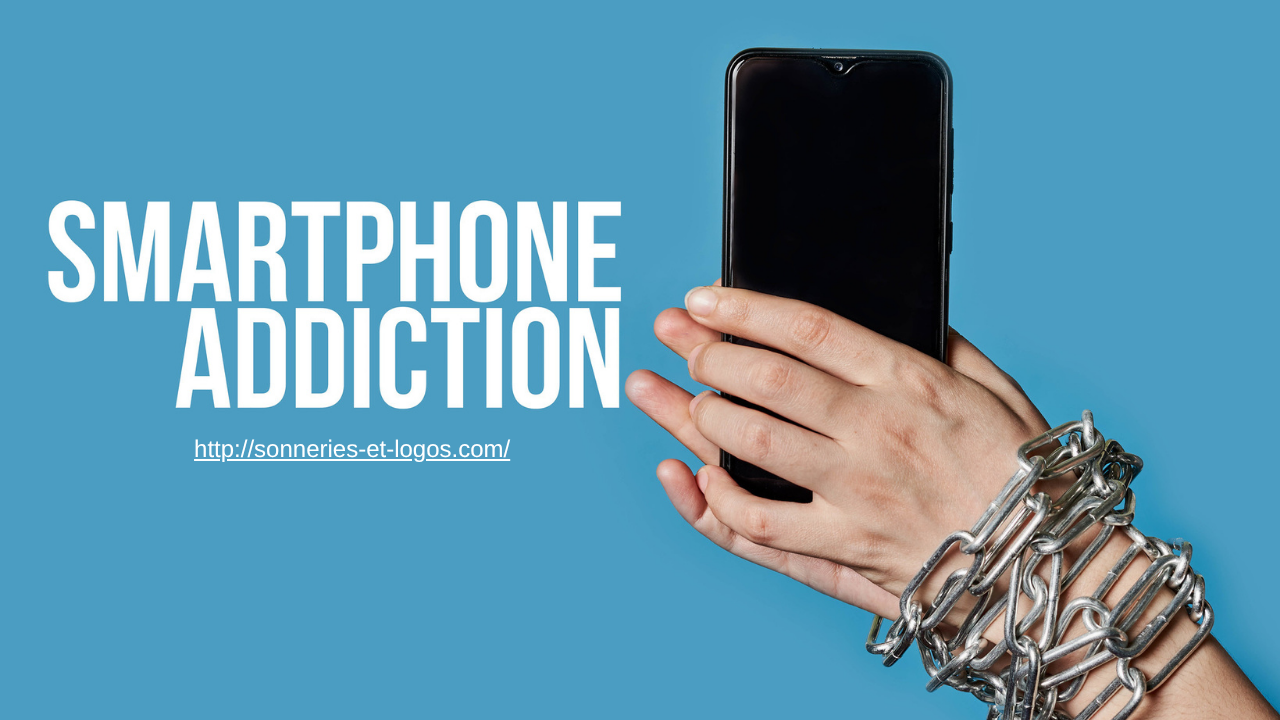
Breaking Free from the Invisible Handcuffs

Smartphones should serve you, not control you. If you feel like your phone is running your life instead of enhancing it, now is the time to act. At Sonneries-et-Logos.com, our compassionate team is ready to walk with you on the journey toward recovery. Through personalized care, supportive community, and holistic healing, freedom from digital dependency is possible.

Reach out today to learn how we can help you break free from the invisible handcuffs of excessive phone use and reclaim your life.