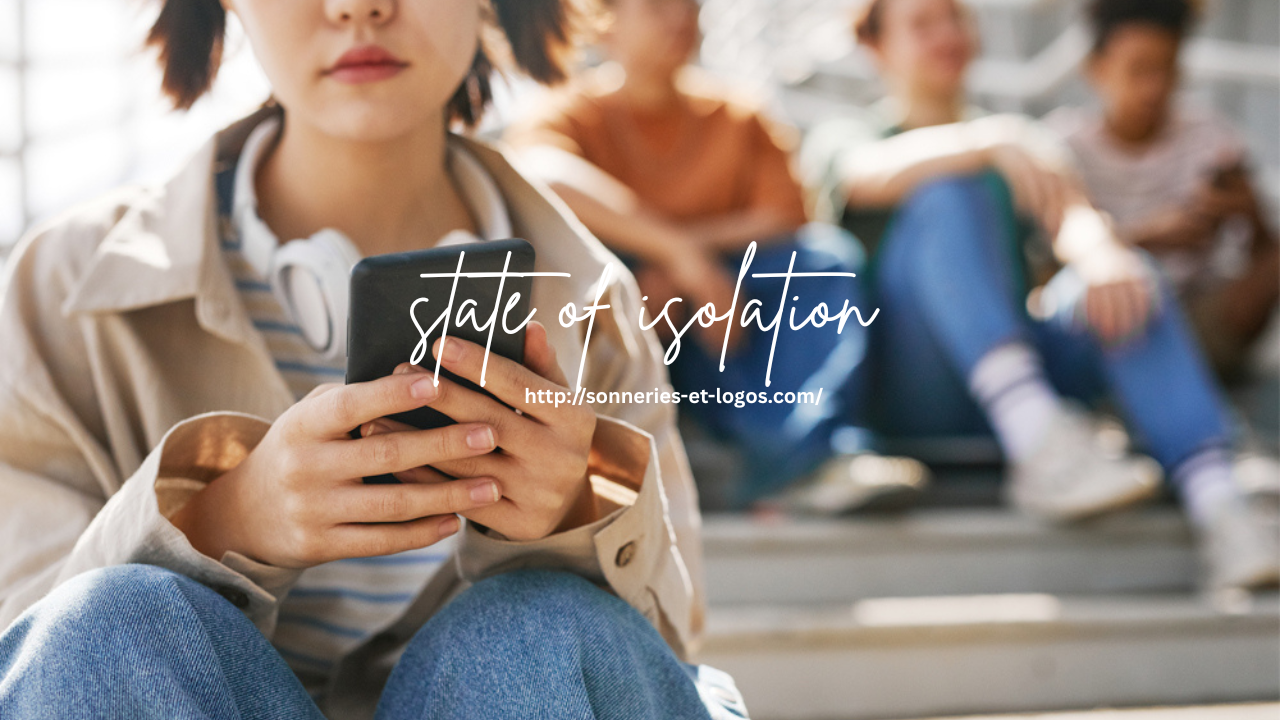
Smartphones have revolutionized the way we live, offering constant connectivity, instant information, and round-the-clock entertainment. But as screen time increases, so does a troubling side effect: growing emotional distance and a decline in mental well-being. Cell phone addiction—particularly the compulsive urge to scroll through social media, news, and apps—can silently lead people into a state of isolation, anxiety, and depression. This digital dependency may feel like connection, but often, it’s quite the opposite.
The Illusion of Connection
One of the most ironic aspects of cell phone addiction is that while it makes us feel more connected, it often leaves us feeling more alone. Social media platforms give the appearance of community and interaction, but many of these engagements are superficial. A “like” or comment isn’t the same as a real conversation or emotional support.
Over time, these shallow digital interactions can replace genuine human contact. People may find themselves spending hours interacting with screens while neglecting face-to-face relationships. This shift can lead to feelings of loneliness, even when surrounded by online activity. The more we scroll, the more disconnected we become from the real world and the people in it.
Mental Health Consequences
The mental health effects of excessive phone use are increasingly backed by research. Studies have linked high screen time—especially related to social media—to various psychological issues, including:
- Anxiety and Depression: Constant exposure to curated, idealized images on social media can foster unhealthy comparisons. People often feel inadequate, excluded, or left behind, which can trigger anxiety and depressive thoughts.
- Low Self-Esteem: The pressure to present a perfect life online, and the validation-seeking behavior tied to likes and comments, can erode self-worth. Over time, users may begin to base their self-esteem on online feedback.
- Attention Deficits and Restlessness: The endless flow of information and notifications can overwhelm the brain, reducing the ability to concentrate and promoting a constant state of restlessness.
- Sleep Disruption: Late-night scrolling not only delays sleep but also exposes the brain to blue light, which interferes with melatonin production and leads to poor sleep quality—fueling mood disorders and fatigue.
Emotional Disconnection
Ironically, the more we use our phones to stay in touch, the harder it becomes to maintain meaningful relationships. Constant digital engagement can lead to “phubbing”—snubbing people in your presence by focusing on your phone. This behavior damages personal relationships, weakens emotional bonds, and increases feelings of isolation on both sides.
Additionally, phone addiction can prevent individuals from fully experiencing the present moment. Instead of enjoying a conversation, a walk in nature, or a family dinner, the mind remains preoccupied with notifications and updates.
Breaking the Isolation Cycle
Addressing cell phone addiction is essential for improving mental health. Here are some practical steps:
- Set boundaries: Designate phone-free times or zones, especially during meals and social gatherings.
- Limit social media use: Unfollow accounts that trigger negative comparisons and reduce time on apps that drain your energy.
- Engage in real-world activities: Invest in hobbies, physical exercise, and in-person relationships that nurture your well-being.
- Practice mindfulness: Use meditation or journaling to reconnect with your thoughts and feelings without a digital filter.
Conclusion
Cell phone addiction may seem harmless, but its impact on mental health is profound. As we scroll deeper into our screens, we risk scrolling away from real connection, inner peace, and emotional balance. By recognizing the signs and taking proactive steps, we can restore our mental health and rediscover the power of genuine human connection.