Smartphones have revolutionized how we communicate, work, and entertain ourselves. In just over a decade, they’ve become an inseparable part of daily life. From checking emails to scrolling through social media, navigating directions, or binge-watching videos, the convenience of smartphones is undeniable. However, this constant connectivity comes at a price. Beneath the surface of their benefits lies a set of hidden costs—affecting our minds, bodies, relationships, and overall quality of life.
The Mental Toll
One of the most significant consequences of smartphone overuse is its impact on mental health. While smartphones keep us connected, they often lead to information overload and emotional exhaustion. Continuous notifications, endless social media feeds, and the pressure to stay constantly available create a state of chronic stress. Many people report feeling anxious when they’re away from their phones, a phenomenon known as nomophobia—the fear of being without a mobile device.
Social media, in particular, contributes to mental health struggles. The constant comparison to others’ seemingly perfect lives can lead to feelings of inadequacy, low self-esteem, and even depression. Over time, the brain becomes conditioned to seek quick dopamine hits from likes, comments, and shares, reinforcing addictive behaviors and shortening attention spans.
Physical Health Consequences
Smartphone overuse doesn’t just affect the mind—it impacts the body as well. “Text neck” and poor posture are becoming common due to prolonged periods of looking down at screens. This can lead to chronic neck, back, and shoulder pain.
Another issue is digital eye strain, also known as computer vision syndrome. Symptoms include dry eyes, headaches, blurred vision, and fatigue, all resulting from staring at screens for extended periods. Additionally, the blue light emitted from smartphones interferes with melatonin production, disrupting sleep patterns and reducing the quality of rest. Sleep deprivation, in turn, contributes to mood swings, cognitive issues, and long-term health risks like heart disease.
Damaged Relationships and Social Isolation
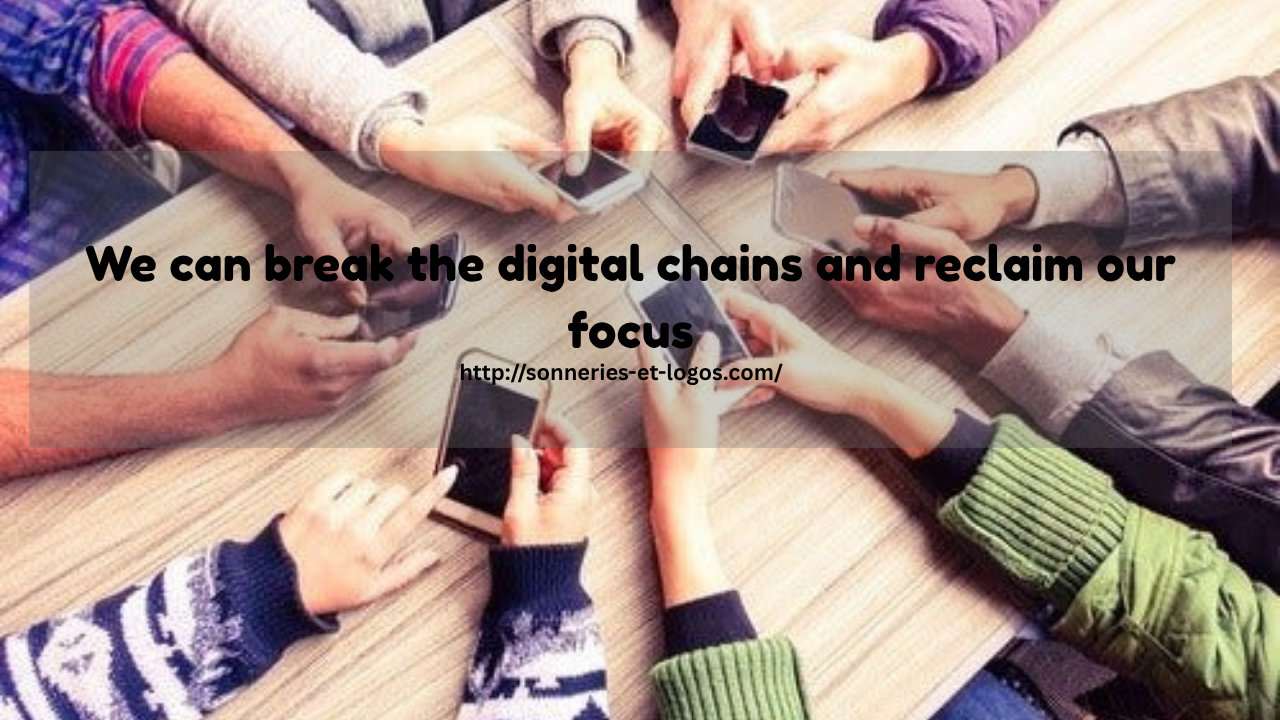
Ironically, while smartphones are designed to connect people, they often lead to social disconnection. The habit of “phubbing”—ignoring people in real life to focus on your phone—can damage relationships and create emotional distance. Over time, meaningful in-person interactions are replaced by shallow digital exchanges, leading to feelings of loneliness and isolation.
Breaking the Chains: How to Reclaim Control
Escaping smartphone overuse doesn’t mean abandoning technology altogether—it means creating healthier boundaries. Here are some steps to break free:
- Monitor Usage: Use screen time tracking apps to become aware of your habits.
- Set Boundaries: Designate phone-free times, especially during meals, social gatherings, and before bedtime.
- Turn Off Non-Essential Notifications: This reduces the urge to constantly check your phone.
- Engage in Offline Activities: Reconnect with hobbies, exercise, or spend time in nature to restore balance.
Conclusion
The hidden costs of smartphone overuse are real and growing. From mental health struggles to physical ailments and weakened relationships, the effects are far-reaching. By recognizing these risks and taking intentional steps to reduce screen time, we can break the digital chains and reclaim our focus, well-being, and authentic connections with the world around us.