Scroll Fatigue: How Constant Connectivity Is Breaking Us Down

In a world where smartphones are always within reach, it is easy to feel connected yet increasingly exhausted. Endless scrolling on social media, constant notifications, and the pressure to stay updated have created a new kind of burnout known as scroll fatigue. This silent struggle is not just about feeling tired of screens—it is about the deeper toll constant connectivity takes on our mental, emotional, and physical health. At Sonneries-et-Logos.com, we understand how technology dependence can evolve into a harmful cycle and offer compassionate, holistic care to help individuals break free.

The Hidden Impact of Constant Connectivity

Mental and Emotional Strain

Every swipe and click demands our attention. Over time, this overstimulation leaves the brain in a state of near-constant alertness. Anxiety rises as notifications interrupt daily life, and feelings of stress build when we compare ourselves to others online. For many, this cycle results in irritability, difficulty concentrating, and emotional burnout.

Physical Side Effects

Excessive screen time does not only affect the mind. It disrupts natural sleep patterns, contributes to headaches, eye strain, and chronic fatigue, and often leads to poor posture-related pain. The more time we spend glued to screens, the less time we dedicate to movement, rest, and self-care.

Why Scroll Fatigue Feels Hard to Escape

The Dopamine Loop

Scrolling is addictive because each new post, message, or update triggers a small dopamine release. This reward system keeps us hooked, even when we know it is harming us. Breaking away feels challenging because the brain has become accustomed to this constant stimulation.

Loss of Balance

Technology, while useful, easily overshadows other important parts of life. Family time, hobbies, spiritual practices, and even basic rest are pushed aside. This imbalance can lead to isolation and a sense of emptiness, despite being constantly “connected.”

Healing From Scroll Fatigue

A Holistic Path to Recovery

At Sonneries-et-Logos.com, we approach digital dependency the same way we address substance and behavioral addictions—through a personalized, holistic strategy that nurtures mind, body, and spirit. Our programs combine therapy, faith-based guidance, and practical tools to help individuals regain balance.

Inpatient and Outpatient Care Options

For those who need structured support, inpatient programs create a safe and focused environment to reset unhealthy habits. Outpatient care offers flexible treatment for individuals balancing work, school, or family while still receiving professional guidance.

Practical Steps Toward Balance

Recovery begins with small, intentional changes. Some effective strategies include:

  • Setting specific screen-free times during the day
  • Creating a bedtime routine without phones or tablets
  • Replacing passive scrolling with active, restorative activities such as reading, exercise, or prayer
  • Building strong, offline connections with loved ones

These steps, supported by professional care, help reduce reliance on screens and restore energy and focus.

Reclaiming Health and Happiness

Scroll fatigue does not have to control your life. By addressing the mental, physical, and spiritual costs of constant connectivity, it is possible to reclaim peace of mind and rediscover what truly matters. With guidance and support, individuals can rebuild healthier habits, strengthen relationships, and find joy beyond the screen.

Take the First Step Today

If you or someone you love is struggling with the weight of smartphone dependency, help is available. At Sonneries-et-Logos.com, our compassionate team provides individualized care designed to restore balance and healing. Reach out today to begin your journey toward freedom from scroll fatigue and a life rooted in health, connection, and lasting happiness.
Trapped in the Feed: How Smartphones Are Stealing Our Health and Happiness

In today’s digital age, smartphones offer convenience, connection, and instant entertainment. But when scrolling becomes compulsive, it can quietly take over our lives. Many people find themselves trapped in a cycle of endless feeds, notifications, and digital engagement that impacts both mental and physical health. At Sonneries-et-Logos.com, we recognize that smartphone dependency is more than a habit—it can disrupt emotional balance, relationships, and overall well-being. Our addiction recovery services and holistic mental health treatments provide compassionate support for individuals ready to reclaim control.

Understanding the Grip of Digital Feeds

How Phones Capture Our Attention

Smartphones are designed to hold attention. Every notification or social media update triggers a small dopamine release, rewarding the brain and encouraging repeated engagement. This feedback loop can lead to compulsive checking and hours spent scrolling, often without realizing it.

The Emotional Cost

While digital feeds promise connection, they often create emotional strain. Comparing ourselves to curated online images can lead to feelings of inadequacy or low self-esteem. Anxiety can increase as we feel pressured to respond to messages and stay updated on what others are doing. Over time, this constant stimulation can erode mental resilience and make it harder to focus on meaningful tasks.

Physical Consequences of Smartphone Dependency

Posture and Musculoskeletal Issues

Extended phone use often leads to poor posture, causing neck, back, and shoulder pain, sometimes referred to as “text neck.” Left unchecked, this strain can become chronic and affect daily life.

Sleep Disruption

The blue light emitted from screens can interfere with natural sleep cycles, delaying rest and reducing the quality of sleep. Poor sleep contributes to irritability, fatigue, and lowered immune function, creating a cycle that affects both health and productivity.

Sedentary Lifestyle

Excessive phone use can replace physical activity, reducing energy levels and contributing to long-term health risks such as weight gain and cardiovascular strain.

Breaking Free with Holistic Recovery

Mind, Body, and Spirit Approach

At Sonneries-et-Logos.com, we address the root causes of dependency. Our programs integrate mental health therapy, spiritual guidance, and holistic strategies to help clients regain balance and reconnect with life beyond screens.

Inpatient and Outpatient Care

Inpatient care offers structure and accountability, providing a supportive environment for individuals to reset digital habits. Outpatient programs allow clients to maintain daily responsibilities while receiving ongoing guidance and support for healthy technology use.

Practical Steps for Digital Balance

Clients learn strategies that restore focus and reduce compulsive use, including:

  • Setting daily screen limits and scheduled phone-free times
  • Creating tech-free zones at home, especially in bedrooms and during meals
  • Replacing passive scrolling with activities such as exercise, hobbies, or meditation
  • Building supportive social connections offline

These approaches empower individuals to take control of technology rather than letting it control them.

Reclaiming Health and Happiness

Breaking free from smartphone dependency is more than managing screen time—it is about restoring balance, mental clarity, and meaningful connections. By adopting healthy habits and seeking support through professional care, individuals can experience improved focus, better sleep, stronger relationships, and greater emotional well-being.

Take the First Step Toward Freedom

Smartphones should serve our lives, not dominate them. If you or a loved one feels trapped in the endless feed, now is the time to act. At Sonneries-et-Logos.com, our compassionate team offers individualized, holistic, and faith-based care to help you regain control, heal, and thrive. Reach out today to begin your journey toward health, happiness, and freedom from digital dependency.

When Screens Take Over: The Psychological and Physical Impact of Smartphone Addiction

Smartphones have become an essential part of modern life, offering connection, convenience, and endless information at our fingertips. But when screen time begins to dominate our days, the impact is far from harmless. Smartphone addiction is not just a habit. It is a growing concern that affects both mental health and physical well-being. At Sonneries-et-Logos.com, we understand how powerful technology can be in shaping behaviors, and we are here to help individuals find freedom and balance through compassionate, holistic recovery care.

The Psychology of Smartphone Addiction

Why the Brain Craves Constant Connection

Smartphones are designed to be engaging. Notifications, social media updates, and instant messages stimulate the brain’s reward system by releasing dopamine, the same chemical linked to other addictive behaviors. Over time, this reward loop can make it difficult to resist the urge to check the phone, even when it interferes with daily responsibilities.

Anxiety, Stress, and Emotional Strain

Excessive phone use often increases anxiety and stress. Many people feel pressured to stay available at all times, leading to emotional exhaustion. Social media can also contribute to feelings of inadequacy and isolation by promoting constant comparison with others.

Reduced Focus and Productivity

The habit of multitasking between apps and notifications disrupts attention spans. This constant interruption makes it harder to stay focused, learn new skills, or engage fully in meaningful conversations.

The Physical Toll of Excessive Screen Time

Strain on the Body

Hours of looking down at a screen can cause neck, back, and shoulder pain, a condition often referred to as “text neck.” Over time, these issues can lead to chronic discomfort and long-term musculoskeletal problems.

Poor Sleep and Fatigue

The blue light from screens disrupts natural sleep rhythms, making it harder to fall and stay asleep. Lack of quality rest affects mood, focus, and overall health, creating a cycle of fatigue and irritability.

Sedentary Lifestyle

When large amounts of time are spent scrolling or gaming, physical activity often decreases. This can lead to weight gain, low energy, and other health concerns related to inactivity.

Pathways Toward Healing and Recovery

At Sonneries-et-Logos.com, we believe recovery is about more than simply putting the phone down. It is about addressing the underlying psychological, emotional, and spiritual needs that fuel dependency.

Holistic and Faith-Based Care

We offer individualized programs that combine therapy, mindfulness, and spiritual support. This approach ensures that clients heal not only their habits but also their inner lives.

Inpatient and Outpatient Support

For those needing structure and accountability, inpatient treatment provides a safe environment to reset and build healthy routines. Outpatient care offers flexibility for individuals who want to continue daily responsibilities while receiving professional support.

Practical Steps to Regain Balance

Our programs encourage practical lifestyle changes, such as setting screen limits, creating tech-free spaces at home, and learning healthier coping strategies for stress. These small but powerful adjustments support long-term recovery.

Taking the First Step Toward Freedom

When screens take over, life can feel out of balance and disconnected from what truly matters. The good news is that freedom from smartphone addiction is possible with the right support and guidance. At Sonneries-et-Logos.com, our compassionate team is dedicated to helping individuals restore their health, relationships, and sense of purpose.

If you or someone you love feels trapped by smartphone addiction, now is the time to take action. Reach out today and let us help you begin the journey toward healing and balance.

The Invisible Handcuffs: How Excessive Phone Use Controls Your Life

We often think of smartphones as tools that make life easier, connecting us to loved ones and helping us navigate our daily responsibilities. Yet for many, this convenience comes with hidden costs. Excessive phone use can quietly take control of your time, your attention, and even your health. At Sonneries-et-Logos.com, we understand that technology dependency can be just as disruptive as other addictions, and we are here to offer compassionate support for those who want to break free.

Recognizing the Signs of Digital Control

When your phone dictates your routine, you may not even realize the depth of its influence. Checking notifications before getting out of bed, scrolling endlessly late at night, or feeling anxious when the battery is low are all subtle signs of dependency. These patterns are reinforced by the brain’s reward system, which releases dopamine every time you receive a text, a like, or a new update. Over time, this creates a cycle that is difficult to escape without intentional change.

The Mental Health Impact of Excessive Phone Use

Heightened Anxiety and Stress

Constant alerts and social comparisons can increase stress levels and fuel anxiety. Many people feel pressure to stay constantly connected, which makes it hard to fully rest and recover emotionally.

Reduced Focus and Memory

When your attention is constantly interrupted by notifications, it becomes harder to concentrate on important tasks. Research shows that multitasking between digital distractions can reduce memory retention and problem-solving abilities.

Emotional Disconnection

Ironically, phones that promise connection often leave us feeling more isolated. Online interactions can never fully replace authentic, face-to-face relationships, and excessive screen time may worsen feelings of loneliness or depression.

The Physical Toll of Living on a Screen

Strain on the Body

Prolonged phone use can cause neck, back, and shoulder pain. Poor posture, often called “text neck,” is now common even among young people. These physical issues can lead to chronic discomfort if not addressed.

Sleep Disruption

Blue light from screens interferes with natural sleep cycles, making it harder to get restorative rest. Poor sleep then worsens mood, focus, and overall health.

Sedentary Habits

Hours spent scrolling often replace physical activity, contributing to fatigue, weight gain, and other health concerns.

Pathways to Recovery and Balance

At Sonneries-et-Logos.com, we approach recovery from excessive phone use with compassion and individualized care. Our holistic and faith-based programs treat the whole person, not just the symptoms.

Inpatient and Outpatient Support

For those who need structure, inpatient care provides a safe and supportive environment to reset habits. Outpatient care offers flexibility, allowing clients to receive treatment while staying connected to their daily lives.

Building Healthier Boundaries

We help clients create realistic strategies for limiting screen time. This might include setting daily time limits, turning off non-essential notifications, or designating tech-free zones in the home.

Healing Mind, Body, and Spirit

Therapy, mindfulness, and spiritual guidance work together to address both the psychological and emotional roots of dependency. With this holistic care, clients can restore balance and rediscover meaningful connections offline.

Breaking Free from the Invisible Handcuffs

Smartphones should serve you, not control you. If you feel like your phone is running your life instead of enhancing it, now is the time to act. At Sonneries-et-Logos.com, our compassionate team is ready to walk with you on the journey toward recovery. Through personalized care, supportive community, and holistic healing, freedom from digital dependency is possible.

Reach out today to learn how we can help you break free from the invisible handcuffs of excessive phone use and reclaim your life.

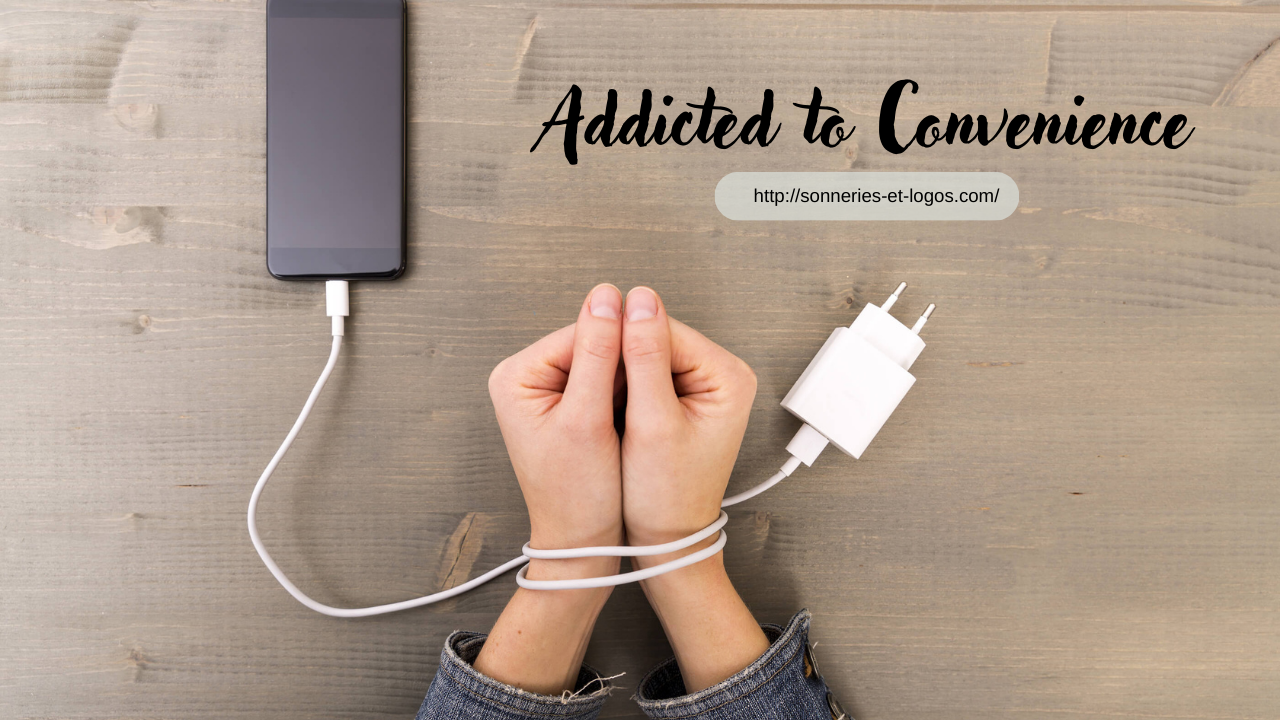
Addicted to Convenience: How Smartphones Are Rewiring Our Brains and Bodies

In today’s fast-paced world, smartphones have become more than just tools. They have become constant companions, delivering instant answers, social connections, and entertainment. While this convenience is undeniable, the long-term impact on our brains and bodies is far more complex than most people realize. At Sonneries-et-Logos.com, we recognize that digital dependency is a real and growing challenge. Through our addiction recovery services, mental health treatment, and holistic care, we help individuals reclaim control and restore balance.

The Subtle Shift from Tool to Dependency

Smartphones are designed to be addictive. Every notification, message, or news update activates the brain’s reward system, releasing dopamine that reinforces the habit of checking our devices. Over time, these patterns rewire neural pathways, making it harder to focus, be present, and manage emotions without digital stimulation.

For some, this dependency becomes more than just a bad habit. It can evolve into a behavioral addiction, affecting relationships, productivity, and mental well-being.

How Smartphone Overuse Affects the Mind

Disrupted Attention and Focus

Constant switching between apps and tasks trains the brain to expect short bursts of information. This can lead to attention deficits, increased restlessness, and a reduced ability to engage in deep, meaningful thought.

Emotional Strain and Anxiety

When life revolves around staying connected, the pressure to respond quickly and stay updated can create chronic anxiety. Social media comparisons can further fuel feelings of inadequacy, isolation, or depression.

The Physical Toll of Digital Dependency

Posture and Musculoskeletal Strain

Spending hours looking down at a screen can lead to neck and back pain, a condition often referred to as “text neck.” Over time, this can contribute to chronic pain and tension in the upper body.

Eye Strain and Sleep Disruption

Blue light from screens interferes with melatonin production, making it harder to fall and stay asleep. Poor sleep then impacts mood, focus, and physical health, creating a cycle that is difficult to break.

Healing Through Holistic and Faith-Based Care

At Sonneries-et-Logos.com, we understand that breaking free from digital dependency requires more than willpower. Our holistic approach treats the whole person—mind, body, and spirit.

Individualized Recovery Plans

We tailor treatment to each client’s needs, incorporating therapy, mindfulness practices, and spiritual guidance. For some, inpatient care offers a structured environment to reset habits, while outpatient programs provide support within daily life.

Building Healthy Boundaries

Clients learn practical strategies such as scheduled screen-free time, mindful technology use, and reconnecting with offline activities. These habits help restore mental clarity and physical vitality.

Supportive Community Healing

Recovery is not a journey you have to take alone. Our group programs and faith-based community create a safe space to share struggles, celebrate progress, and build lasting connections.

Taking the First Step Toward Balance

Convenience should enhance life, not control it. If smartphone use is interfering with your mental health, relationships, or physical well-being, it may be time to seek help. At Sonneries-et-Logos.com, we are here to guide you toward a healthier, more intentional relationship with technology.

Do not let digital dependency dictate your life. Contact us today to learn how our compassionate, holistic care can help you break free from the patterns that are holding you back.

Mind and Body on Autopilot: The Silent Damage of Smartphone Dependency

Smartphone dependency may feel normal in today’s world, but for many, it quietly drives both mind and body into a state of autopilot—and leads to hidden harms that often go unrecognized. At Sonneries‑et‑Logos.com we address the invisible yet real impact of digital addiction. With our addiction recovery services and mental health treatment, we provide compassionate, individualized care in both inpatient and outpatient settings. We understand how faith‑based, holistic approaches help restore balance to life.

Why Smartphone Dependency Becomes Addiction

Smartphones offer instant gratification through notifications, social media, and endless content. This taps into the brain’s dopamine system, creating a compulsive reward loop. Without realizing it, many people develop a dependency, turning to their phones for emotional comfort, distraction, or to fill moments of emptiness.

The Silent Mental Health Costs

Even moderate smartphone overuse may lead to anxiety, depression, and emotional exhaustion. People often feel a constant pressure to respond, to stay available, to maintain an online image. Those feelings can undermine mental resilience and fuel a sense of inadequacy.

Many people describe worsening focus, restlessness, and helplessness when they try to slow down. For those who already struggle with trauma or co‑occurring mental health conditions, constant digital input interferes with healing and deep recovery.

Physical Strain You Don’t Always Notice

The physical toll of screen overuse can be subtle but persistent. Issues like poor posture or “text neck” due to prolonged looking down become chronic. Eye strain, headaches, sleep disruption from blue light—all these consequences accumulate, affecting physical well‑being long after screen time ends.

Left unchecked, these physical habits can deepen anxiety and fatigue, forming a self‑perpetuating cycle that diminishes motivation and limits recovery.

How Sonneries‑et‑Logos Supports Healing

Treating the Whole Person

We believe true recovery addresses mind, body, and spirit together. Our holistic, faith‑based treatment programs include therapy, spiritual support, and individualized care plans. Whether in inpatient or outpatient settings, our team partners with you to establish healthy boundaries around digital use and rebuild balanced routines.

Compassionate, Individualized Support

Every plan is tailored to your unique needs. That may include setting structured screen‑free time, incorporating meditation, prayer, or music therapy into recovery, and developing real‑world supports. Our clinicians help clients replace digital dependency with meaningful offline connection—through community, nature, journaling, or artistic expression.

Recovery in Community

Healing often happens in connection with others. Our care centers foster supportive peer engagement and group therapy. In those settings, people find encouragement to share struggles with addiction, mental health, and even smartphone dependence. Supported by staff and peers who understand recovery, clients rebuild trust in in‑person relationships.

Practical Strategies to Regain Control

  • Screen‑free routines: Designate times (for example, during meals, family time, before bed) when no devices are used.
  • Notification management: Disable non‑essential alerts so you choose when to engage rather than reacting automatically.
  • Mind‑body balance: Prioritize rest, exercise, hydration, and mindful breathing over passive screen time.
  • Alternate activities: Rediscover hobbies like reading, walking, creative arts, faith practice, or serving others in the community.

These small changes reconnect you with internal rhythms and reduce reliance on external digital stimulus.

Why Moving Beyond Autopilot Matters

When a smartphone becomes central to how you manage emotions, boredom, or stress, recovery becomes harder. The autopilot lifestyle disconnects you from what matters most: relationships, spiritual growth, inner peace, and self‑esteem.

By setting healthier limits, you reclaim intentional living. Real healing begins when you pause the autopilot and reconnect with the deeper rhythms of mind and body.

Conclusion: Reclaim Life from Digital Chains

Smartphone dependency may seem harmless, but its hidden toll on mental and physical health cannot be ignored. At Sonneries‑et‑Logos.com we offer professional, compassionate addiction recovery and mental health treatment that sees beyond symptoms to your whole person.

If your digital habits feel out of control, you are not alone—and help is available. Our faith‑based, holistic treatment approach offers balance, meaning, and healing. Reach out to us today. Together we can break the dependency and restore freedom, focus, and wholeness to your life.

Breaking the Digital Chains: The Hidden Costs of Smartphone Overuse

Smartphones have revolutionized how we communicate, work, and entertain ourselves. In just over a decade, they’ve become an inseparable part of daily life. From checking emails to scrolling through social media, navigating directions, or binge-watching videos, the convenience of smartphones is undeniable. However, this constant connectivity comes at a price. Beneath the surface of their benefits lies a set of hidden costs—affecting our minds, bodies, relationships, and overall quality of life.

The Mental Toll

One of the most significant consequences of smartphone overuse is its impact on mental health. While smartphones keep us connected, they often lead to information overload and emotional exhaustion. Continuous notifications, endless social media feeds, and the pressure to stay constantly available create a state of chronic stress. Many people report feeling anxious when they’re away from their phones, a phenomenon known as nomophobia—the fear of being without a mobile device.

Social media, in particular, contributes to mental health struggles. The constant comparison to others’ seemingly perfect lives can lead to feelings of inadequacy, low self-esteem, and even depression. Over time, the brain becomes conditioned to seek quick dopamine hits from likes, comments, and shares, reinforcing addictive behaviors and shortening attention spans.

Physical Health Consequences

Smartphone overuse doesn’t just affect the mind—it impacts the body as well. “Text neck” and poor posture are becoming common due to prolonged periods of looking down at screens. This can lead to chronic neck, back, and shoulder pain.

Another issue is digital eye strain, also known as computer vision syndrome. Symptoms include dry eyes, headaches, blurred vision, and fatigue, all resulting from staring at screens for extended periods. Additionally, the blue light emitted from smartphones interferes with melatonin production, disrupting sleep patterns and reducing the quality of rest. Sleep deprivation, in turn, contributes to mood swings, cognitive issues, and long-term health risks like heart disease.

Damaged Relationships and Social Isolation

Ironically, while smartphones are designed to connect people, they often lead to social disconnection. The habit of “phubbing”—ignoring people in real life to focus on your phone—can damage relationships and create emotional distance. Over time, meaningful in-person interactions are replaced by shallow digital exchanges, leading to feelings of loneliness and isolation.

Breaking the Chains: How to Reclaim Control

Escaping smartphone overuse doesn’t mean abandoning technology altogether—it means creating healthier boundaries. Here are some steps to break free:

  • Monitor Usage: Use screen time tracking apps to become aware of your habits.
  • Set Boundaries: Designate phone-free times, especially during meals, social gatherings, and before bedtime.
  • Turn Off Non-Essential Notifications: This reduces the urge to constantly check your phone.
  • Engage in Offline Activities: Reconnect with hobbies, exercise, or spend time in nature to restore balance.

Conclusion

The hidden costs of smartphone overuse are real and growing. From mental health struggles to physical ailments and weakened relationships, the effects are far-reaching. By recognizing these risks and taking intentional steps to reduce screen time, we can break the digital chains and reclaim our focus, well-being, and authentic connections with the world around us.

When Convenience Becomes a Curse: The Unseen Impact of Excessive Phone Use

Smartphones are one of the most revolutionary tools of the 21st century. With just a few taps, we can access news, communicate with loved ones, manage our schedules, or order a meal. What once seemed like science fiction is now part of our everyday reality. However, as we grow more reliant on this powerful device, a troubling truth has emerged: excessive phone use is quietly impacting our lives in ways many don’t realize. What began as a tool of convenience is becoming, for many, a source of stress, distraction, and disconnection.

A Double-Edged Sword

Smartphones bring tremendous value—there’s no denying that. They help us stay organized, connected, and informed. But this convenience comes with a hidden cost. The more we use our phones, the more we build habits that are difficult to break. Over time, these habits can spiral into addiction, reshaping our brains, behaviors, and even our sense of self.

Apps and digital platforms are designed to be addictive. With features like infinite scroll, autoplay videos, and constant notifications, they keep users engaged longer than intended. The dopamine rush from every notification or social media interaction keeps us coming back for more. Without realizing it, many of us fall into a cycle of compulsive phone use that’s hard to escape.

Mental and Emotional Strain

One of the most overlooked consequences of excessive phone use is its impact on mental health. Constant exposure to social media can lead to negative self-comparisons, anxiety, and depression. Seeing carefully curated glimpses of other people’s lives often makes us feel like we’re not measuring up, even though much of what we see is exaggerated or filtered.

Additionally, the constant influx of information and the pressure to respond quickly can be mentally exhausting. Our brains rarely get the downtime they need to process thoughts, relax, or be creative. This digital overload can lead to increased stress, trouble focusing, and even emotional numbness.

Physical Health Risks

While most discussions around phone use focus on mental health, physical health is also at risk. Text neck, poor posture, eye strain, and sleep disruption are all linked to prolonged screen time. The blue light emitted from screens interferes with melatonin production, making it harder to fall asleep and get restorative rest.

Moreover, sedentary behavior increases as we spend more time glued to our screens. Lack of physical activity contributes to long-term health problems like obesity, heart disease, and poor circulation.

Disconnecting to Reclaim Balance

Fortunately, it’s never too late to regain control. Recognizing the problem is the first step. Setting screen time limits, turning off non-essential notifications, and taking regular breaks from your phone can make a big difference. Replacing passive scrolling with active hobbies—like reading, exercising, or spending time with others—can help restore balance.

Create intentional phone-free zones, especially in the bedroom or during meals. These small lifestyle changes can gradually shift the power away from your phone and back into your hands.

Conclusion

Smartphones offer incredible convenience, but when that convenience becomes constant dependence, it can quietly erode our mental, physical, and emotional health. The key is mindful use. By taking control of our phone habits, we can enjoy the benefits of technology without falling victim to its hidden costs.

Escaping the Digital Grip: Steps to Overcoming Smartphone Addiction

Smartphones have become an essential part of modern life. From navigation and news to social media and entertainment, we rely on them for almost everything. However, this constant connection comes at a cost. For many people, the line between helpful technology and harmful dependency has blurred. Smartphone addiction—characterized by compulsive, excessive phone use—can negatively affect our mental health, relationships, productivity, and overall well-being. The good news? It’s possible to escape the digital grip and regain control of your time and attention.

Understanding the Addiction

Smartphone addiction isn’t just about using your phone frequently—it’s about the compulsive need to check it, even when there’s no real reason. Whether it’s the urge to scroll social media, play a game, or check for notifications, these habits are often driven by dopamine—the brain’s “reward” chemical. Every like, comment, or message gives us a small rush, reinforcing the behavior and making it hard to stop.

This constant stimulation trains our brains to crave instant gratification and leaves little room for focus, patience, or mindfulness. Over time, we become dependent on our phones for emotional comfort, distraction, or validation.

Recognizing the Signs

Some common signs of smartphone addiction include:

  • Checking your phone first thing in the morning and last thing at night
  • Feeling anxious or irritable when you can’t access your phone
  • Frequently losing track of time while scrolling
  • Neglecting responsibilities or social interactions in favor of screen time
  • Using your phone to cope with boredom, stress, or loneliness

Acknowledging these signs is the first step toward breaking free.

Practical Steps to Regain Control

  1. Track Your Usage
    Start by becoming aware of how much time you spend on your phone and which apps consume the most time. Most smartphones offer built-in screen time reports that can help you identify patterns and triggers.
  2. Set Boundaries
    Create limits for how and when you use your phone. Set screen time limits for specific apps, schedule “no phone” hours, and avoid using your phone during meals or right before bed.
  3. Turn Off Non-Essential Notifications
    Constant alerts can keep you in a reactive state. Turn off unnecessary notifications to reduce distractions and regain control of your attention.
  4. Use Apps That Help You Disconnect
    There are apps designed to help reduce screen time, such as Forest, Digital Wellbeing, or Freedom. These tools can block distracting apps and encourage more intentional use.
  5. Designate Phone-Free Zones
    Create physical spaces where phone use is not allowed, such as the bedroom or dining area. This encourages real-life interaction and better rest.
  6. Replace the Habit
    Find healthy, fulfilling alternatives to scrolling—like reading, journaling, exercising, or spending time with loved ones. Replacing screen time with meaningful activities helps break the cycle.

The Benefits of Breaking Free

Reducing smartphone use can lead to clearer thinking, improved mood, better sleep, stronger relationships, and a deeper sense of presence in daily life. You may find that you’re more productive, more creative, and more at peace when your mind isn’t constantly tethered to a screen.

Conclusion

Overcoming smartphone addiction isn’t about ditching your device completely—it’s about using it intentionally. By setting boundaries, building healthier habits, and reconnecting with the real world, you can escape the digital grip and reclaim your time, focus, and peace of mind. The path to balance begins with one conscious choice at a time.

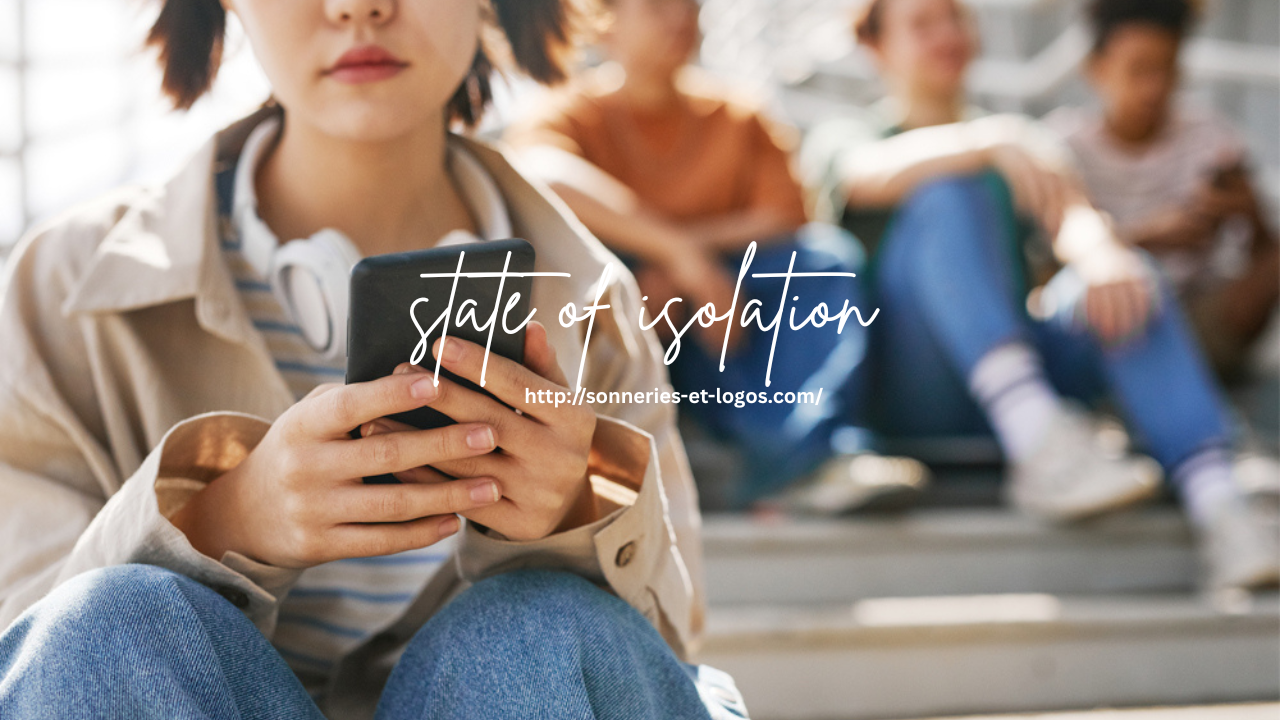
Scrolling into Isolation: How Cell Phone Addiction Affects Mental Health

Smartphones have revolutionized the way we live, offering constant connectivity, instant information, and round-the-clock entertainment. But as screen time increases, so does a troubling side effect: growing emotional distance and a decline in mental well-being. Cell phone addiction—particularly the compulsive urge to scroll through social media, news, and apps—can silently lead people into a state of isolation, anxiety, and depression. This digital dependency may feel like connection, but often, it’s quite the opposite.

The Illusion of Connection

One of the most ironic aspects of cell phone addiction is that while it makes us feel more connected, it often leaves us feeling more alone. Social media platforms give the appearance of community and interaction, but many of these engagements are superficial. A “like” or comment isn’t the same as a real conversation or emotional support.

Over time, these shallow digital interactions can replace genuine human contact. People may find themselves spending hours interacting with screens while neglecting face-to-face relationships. This shift can lead to feelings of loneliness, even when surrounded by online activity. The more we scroll, the more disconnected we become from the real world and the people in it.

Mental Health Consequences

The mental health effects of excessive phone use are increasingly backed by research. Studies have linked high screen time—especially related to social media—to various psychological issues, including:

  • Anxiety and Depression: Constant exposure to curated, idealized images on social media can foster unhealthy comparisons. People often feel inadequate, excluded, or left behind, which can trigger anxiety and depressive thoughts.
  • Low Self-Esteem: The pressure to present a perfect life online, and the validation-seeking behavior tied to likes and comments, can erode self-worth. Over time, users may begin to base their self-esteem on online feedback.
  • Attention Deficits and Restlessness: The endless flow of information and notifications can overwhelm the brain, reducing the ability to concentrate and promoting a constant state of restlessness.
  • Sleep Disruption: Late-night scrolling not only delays sleep but also exposes the brain to blue light, which interferes with melatonin production and leads to poor sleep quality—fueling mood disorders and fatigue.

Emotional Disconnection

Ironically, the more we use our phones to stay in touch, the harder it becomes to maintain meaningful relationships. Constant digital engagement can lead to “phubbing”—snubbing people in your presence by focusing on your phone. This behavior damages personal relationships, weakens emotional bonds, and increases feelings of isolation on both sides.

Additionally, phone addiction can prevent individuals from fully experiencing the present moment. Instead of enjoying a conversation, a walk in nature, or a family dinner, the mind remains preoccupied with notifications and updates.

Breaking the Isolation Cycle

Addressing cell phone addiction is essential for improving mental health. Here are some practical steps:

  • Set boundaries: Designate phone-free times or zones, especially during meals and social gatherings.
  • Limit social media use: Unfollow accounts that trigger negative comparisons and reduce time on apps that drain your energy.
  • Engage in real-world activities: Invest in hobbies, physical exercise, and in-person relationships that nurture your well-being.
  • Practice mindfulness: Use meditation or journaling to reconnect with your thoughts and feelings without a digital filter.

Conclusion

Cell phone addiction may seem harmless, but its impact on mental health is profound. As we scroll deeper into our screens, we risk scrolling away from real connection, inner peace, and emotional balance. By recognizing the signs and taking proactive steps, we can restore our mental health and rediscover the power of genuine human connection.