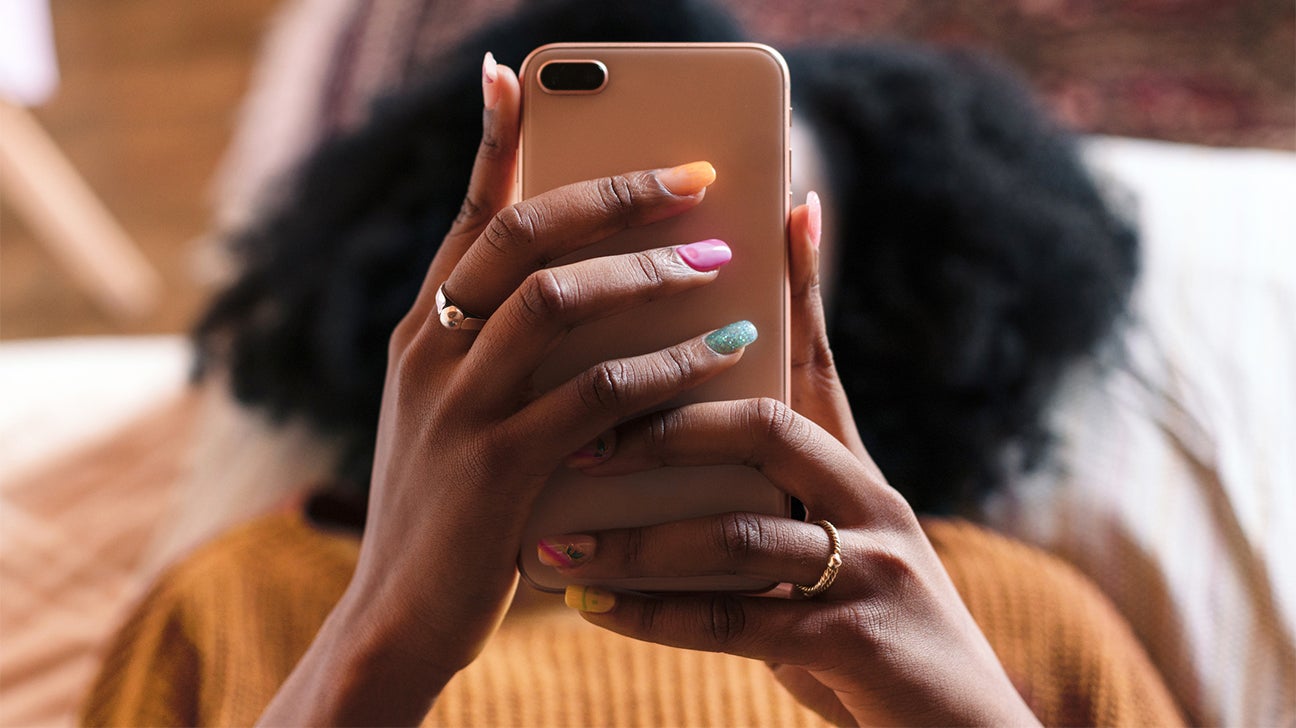
Being connected has never been easier. With a smartphone in your hand, you can talk to family, answer work messages, watch videos, follow the news, and scroll through social media within seconds. Yet constant connection comes with a cost when reaching for your phone becomes automatic rather than intentional. Cell phone addiction can quietly interfere with emotional well-being, sleep, relationships, concentration, and healthy coping. For people already struggling with addiction or mental health concerns, compulsive phone use can become another way to avoid difficult emotions instead of addressing them. Recognizing this pattern is not about blaming yourself. It is about understanding what is happening and discovering healthier ways to reconnect with yourself and the people around you.
What Is Cell Phone Addiction?
Cell phone addiction is commonly used to describe compulsive smartphone use that becomes difficult to control and continues despite negative consequences. Although excessive smartphone use is not classified as a standalone substance addiction, problematic use can resemble other compulsive behaviors.
The most important issue is not simply how many hours someone spends on a phone. Instead, consider how phone use affects daily life.
Signs of Problematic Phone Use
Warning signs may include:
- Checking your phone repeatedly without a specific purpose
- Feeling anxious, restless, or uncomfortable when your phone is unavailable
- Spending more time scrolling than you originally intended
- Using your phone to escape stress, loneliness, sadness, or boredom
- Neglecting responsibilities because of phone use
- Losing sleep because you stay online late at night
- Becoming distracted during conversations or important activities
- Trying to cut back but repeatedly returning to the same pattern
When these behaviors become persistent, it may be helpful to look beyond screen time and consider the emotional needs driving the behavior.
Why Constant Connection Can Become Emotionally Draining
Smartphones provide immediate stimulation. There is always another message to read, video to watch, post to view, or notification to check. That constant stream of information can make quiet moments feel uncomfortable.
Your Brain Rarely Gets a Break
Mental rest is important for emotional health. However, frequent phone checking interrupts periods of quiet and keeps attention moving from one stimulus to another.
Over time, this can make it harder to tolerate boredom, sit with difficult thoughts, or focus on a single activity.
Notifications Can Create a State of Alertness
Even when notifications are harmless, they can create an expectation that something needs your attention. Messages from work, social media updates, breaking news, and personal conversations can make it difficult to mentally disconnect.
For someone already experiencing anxiety, constant digital stimulation may add another layer of stress.
How Cell Phone Addiction Can Affect Emotional Well-Being
Anxiety and Stress
Compulsive phone use can reinforce the belief that you always need to know what is happening. Checking your device may provide temporary reassurance, but the relief often fades quickly.
That can create a cycle in which anxiety leads to checking, checking provides brief relief, and the next uncomfortable feeling leads to checking again.
Learning to tolerate moments of uncertainty is an important part of emotional resilience.
Low Mood and Emotional Disconnection
Smartphones can connect people across great distances, but digital interaction does not always provide the same emotional benefits as meaningful personal relationships.
If someone spends hours scrolling while withdrawing from family, friends, hobbies, or community activities, feelings of loneliness may actually increase.
Social Comparison
Social media can make comparison almost impossible to avoid. People often share carefully selected images and experiences rather than the ordinary struggles of everyday life.
Constant exposure to these polished representations can contribute to unrealistic expectations about appearance, success, relationships, and happiness.
When someone repeatedly compares their real life with someone else’s edited online presence, self-esteem can suffer.
Difficulty Managing Emotions
Emotional health requires learning how to experience uncomfortable feelings without immediately trying to escape them.
If the phone becomes the automatic response to sadness, frustration, anxiety, or boredom, an individual may have fewer opportunities to practice healthy emotional regulation.
The Connection Between Phone Addiction and Recovery
For individuals in addiction recovery, compulsive smartphone use deserves particular attention.
Unhealthy Coping Can Take Different Forms
Recovery is not simply about stopping one harmful behavior. It also involves learning healthier ways to cope with stress and emotional pain.
Someone who previously relied on substances to escape difficult emotions may discover a strong urge to fill that space with endless scrolling, gaming, social media, or online content.
This does not mean that frequent phone use automatically represents a replacement addiction. However, examining the function of the behavior can reveal whether it is helping recovery or interfering with it.
Excessive Phone Use Can Affect Treatment
Compulsive phone use can make it harder to remain present during counseling, group therapy, family conversations, mindfulness practices, or other recovery activities.
Treatment works best when individuals are emotionally engaged. Learning to put the phone aside can create more space for reflection, connection, and meaningful therapeutic work.
Practical Ways to Restore Digital Balance
Reducing cell phone dependence does not require completely eliminating technology. The goal is to create healthier boundaries and regain control over when and why you use your device.
Start With Awareness
For several days, pay attention to when you reach for your phone.
Ask yourself:
- What was I feeling immediately beforehand?
- Was I bored, anxious, lonely, or stressed?
- Did I have a specific reason for checking my phone?
- How did I feel after using it?
These observations can reveal patterns that are difficult to notice when phone use happens automatically.
Create Phone Free Periods
Choose specific times when your phone is out of reach. Start with manageable situations, such as:
- During meals
- During conversations
- While exercising
- During therapy
- During personal reflection
- One hour before bedtime
Small boundaries are easier to maintain than attempting an immediate and complete digital reset.
Replace the Habit With Something Meaningful
Removing phone use creates an opportunity to reconnect with activities that support emotional wellness.
Consider taking a walk, reading, exercising, journaling, listening to music, practicing meditation, spending time outdoors, or talking with someone you trust.
For individuals who value spirituality, prayer and faith based reflection can also provide a meaningful way to slow down and reconnect with personal values.
When Professional Support May Be Appropriate
If you repeatedly try to control your phone use but continue returning to compulsive behavior, professional support may help. This is particularly important when excessive phone use occurs alongside anxiety, depression, trauma, substance use, or other mental health concerns.
Individualized Mental Health Treatment
A personalized treatment approach can help identify the emotional triggers behind compulsive behaviors. Instead of focusing only on reducing screen time, treatment can explore what the behavior accomplishes emotionally and what healthier alternatives can meet those needs.
Inpatient and Outpatient Care
Depending on individual circumstances, inpatient treatment can provide a structured environment where people can step away from daily triggers and focus closely on healing. Outpatient treatment can provide continued counseling and support while allowing individuals to maintain work, school, and family responsibilities.
The appropriate level of care should be determined according to each person’s needs.
Holistic and Faith Based Approaches
Recovery involves the whole person. Holistic care can address emotional, physical, relational, and spiritual wellness while helping individuals develop healthier routines.
For those who desire it, faith based support can provide hope, purpose, accountability, and spiritual encouragement as part of the recovery process.
Rebuilding a Healthier Relationship With Technology
The goal is not to fear technology or reject the benefits smartphones provide. Instead, healthy technology use means being able to choose when your phone deserves your attention and when it does not.
A healthier relationship with your device may involve putting it away during important conversations, turning off unnecessary notifications, creating a consistent bedtime routine, and becoming more comfortable with periods of silence.
Most importantly, learn to recognize the difference between using your phone because you need it and using it because you are trying to avoid something you feel.
Conclusion
Constant connection can make life more convenient, but it should not come at the expense of emotional well-being. When cell phone use becomes a way to escape anxiety, loneliness, stress, or difficult emotions, the behavior can quietly become a barrier to healthier living and meaningful recovery.
Change begins with awareness. By recognizing your triggers, creating realistic boundaries, strengthening healthier coping skills, and reconnecting with supportive people and meaningful activities, you can begin to restore balance.
If compulsive phone use is affecting your mental health, relationships, or recovery, reaching out for professional support can be an important next step. Compassionate addiction recovery and mental health treatment can help address the underlying concerns while providing individualized strategies for lasting change. With holistic care, appropriate inpatient or outpatient support, and faith based services for those who seek them, you can learn to use technology intentionally while making more room for peace, connection, and a healthier life.