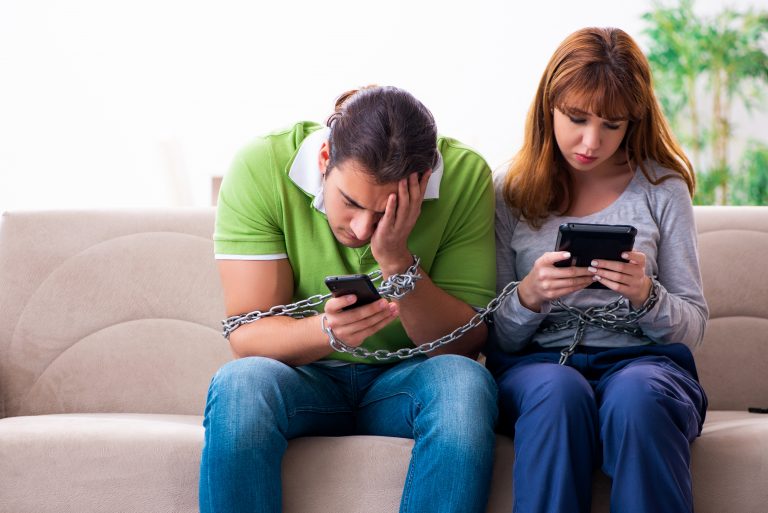
Cell phones were designed to connect people, simplify communication, and make daily life more efficient. Yet for many individuals, that connection slowly turns into control. What starts as quick checks of messages or social media can evolve into compulsive use that affects mental health, emotional stability, and even recovery from addiction. Cell phone addiction is often underestimated, but its impact runs deeper than most people realize. Understanding how this pattern develops is the first step toward restoring balance and protecting emotional well-being.
What Cell Phone Addiction Really Looks Like
Cell phone addiction is not just about how often a device is used. It is about the loss of control over that use. Many people continue to reach for their phone even when they intend not to, or feel discomfort when it is out of reach.
Common signs of cell phone addiction
- Feeling anxious or restless without your phone nearby
- Checking your device repeatedly without a clear reason
- Losing track of time while scrolling or watching content
- Using your phone to avoid stress, loneliness, or difficult emotions
- Struggling to stay focused during conversations or tasks
These behaviors often develop gradually, making them easy to dismiss at first. However, over time they can significantly impact mental and emotional health.
Why Cell Phone Addiction Feels So Powerful
The brain’s reward system
Every notification, message, or social media interaction triggers a small release of dopamine. This chemical response creates a sense of pleasure and reinforces the behavior. Over time, the brain begins to seek that stimulation more frequently, creating a cycle that becomes harder to break.
Emotional avoidance and coping
Many individuals use their phone as a way to avoid uncomfortable emotions. Stress, boredom, anxiety, or sadness can all lead to increased screen time. While this provides temporary relief, it prevents healthy emotional processing and can deepen underlying struggles.
Constant availability and social pressure
Modern life encourages constant connection. There is an unspoken expectation to respond quickly, stay updated, and remain accessible at all times. This pressure can make it difficult to disconnect, even when rest or personal space is needed.
The Hidden Impact on Mental Health
Increased anxiety and emotional overload
Constant digital stimulation keeps the mind in a state of alertness. Notifications, messages, and endless content can create mental clutter, making it harder to relax or concentrate. This ongoing pressure often contributes to anxiety and emotional fatigue.
Depression and self-comparison
Social media platforms often present idealized versions of life. Continuous exposure to these curated images can lead to comparison, lowered self-esteem, and feelings of inadequacy. Over time, this can contribute to depressive symptoms, especially in individuals already managing mental health challenges.
Disrupted sleep and recovery cycles
Late night phone use affects sleep quality by interfering with natural melatonin production. Poor sleep can worsen mood regulation, increase irritability, and reduce resilience. For individuals in recovery, this disruption can slow emotional healing and weaken coping strategies.
How Cell Phone Addiction Affects Recovery
For those receiving addiction treatment or mental health support, cell phone dependency can quietly interfere with progress. It may:
- Reduce engagement in therapy sessions
- Distract from mindfulness and self-reflection
- Replace healthy coping strategies with digital avoidance
- Limit real world connection and support
Recovery requires presence, awareness, and emotional engagement. Excessive phone use can reduce all three.
Practical Steps Toward Healthy Balance
Set intentional boundaries
Create specific times when phone use is not allowed, such as during meals, therapy sessions, or before bedtime. Boundaries help reduce automatic behavior and restore focus.
Practice mindful awareness
Before picking up your phone, pause and ask why. This small moment of reflection helps interrupt habitual use and encourages more intentional choices.
Rebuild offline routines
Engage in activities that support emotional well-being, such as exercise, journaling, reading, or spending time outdoors. These activities help restore balance and reduce reliance on digital stimulation.
Strengthen real connections
Prioritize face to face interactions whenever possible. Meaningful relationships provide emotional grounding and reduce feelings of isolation.
Seek professional support when needed
If cell phone use is affecting mental health or recovery, professional treatment can help. Inpatient and outpatient programs offer structured, individualized care that addresses both behavioral patterns and underlying emotional challenges through a holistic and compassionate approach.
Conclusion
Cell phone addiction is often overlooked, but its effects on mental health and emotional well-being are real and significant. When connection turns into control, it can quietly disrupt focus, relationships, sleep, and recovery. The good news is that change is possible. With awareness, practical boundaries, and compassionate support, individuals can regain control and restore balance in their lives. If phone use is interfering with your mental health or recovery journey, reaching out for professional help can be a powerful first step toward healing, stability, and lasting well-being.